
It is 31 degrees, you are sitting at the lights on Saskatchewan Avenue with a load in the box, and the air coming out of the vents is the same temperature as the air outside. Maybe it was fine last summer. Maybe it was fine this morning. Either way, a truck that will not blow cold in the last week of July is a problem you want handled now, not in September, so the fastest move is to book a service appointment while there is still summer left to enjoy. Before you do, it helps to know what a warm air complaint actually means, because the answer decides whether this is a small job or a real repair.
This is the straight version. What the system is actually doing when it works, why a recharge on its own is usually a temporary fix rather than a repair, how the leak gets found, and where the line sits between a quick service visit and a bigger bill. No prices in here, because the honest number depends on what we find and on which refrigerant your truck takes. What you will get is enough understanding to know whether the answer you are being given is a real one.
Key Takeaways
- Air conditioning is a sealed system. Refrigerant is not a consumable. It does not burn off like fuel or wear out like brake pads. If the charge is low, it went somewhere, and that somewhere is a leak.
- A recharge without a leak search is a temporary fix. Adding refrigerant will make it cold again for a while. If nothing was repaired, that same refrigerant leaves the same way it left last time, and you are back in the bay in weeks or months.
- Warm air is not always low refrigerant. A plugged cabin air filter, a stuck blend door actuator, a condenser packed with cottonwood fluff and bugs, a cooling fan that is not pulling, or a failed compressor clutch all show up as the same complaint at the vent.
- The symptom pattern is real diagnostic information. Cold on the highway but warm at idle, cold for ten minutes and then warm, cold on one side only, or strong airflow versus weak airflow each point somewhere different. Tell us the pattern when you book.
- The proper repair sequence is the same everywhere. Find the leak with dye or an electronic detector, fix the failed part, pull the system into a deep vacuum to remove moisture, then recharge by weight to the factory specification and verify the vent temperature. Anything short of that is a top up, not a fix.
What Cold Air Actually Costs Your Truck
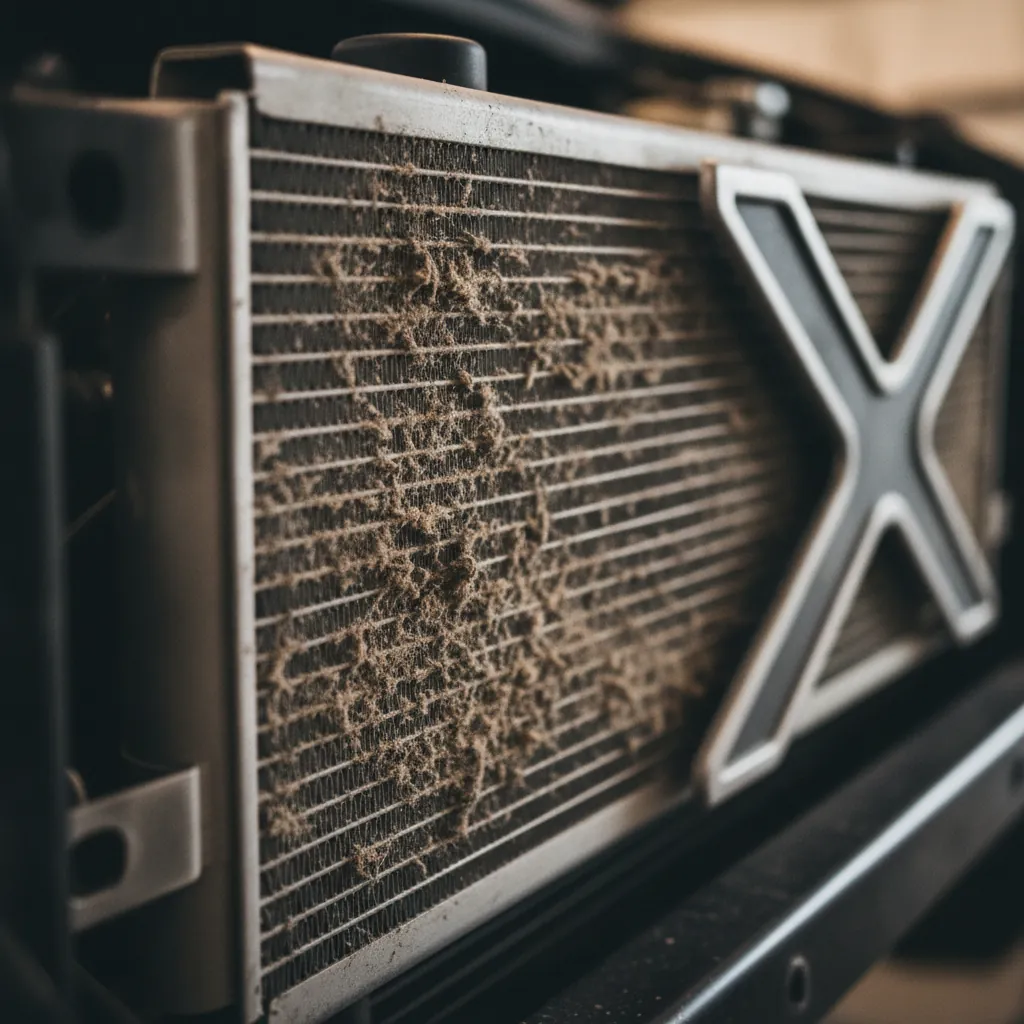
Your truck does not make cold. It moves heat. The compressor pressurizes refrigerant, that hot refrigerant runs forward to the condenser sitting ahead of the radiator where outside air carries the heat away, then the refrigerant expands and goes cold inside the evaporator buried in the dash. The blower pushes cabin air across that cold evaporator and out your vents. Everything you feel as cold air is really heat that got dumped out the front of the truck.

That matters for two reasons. First, the system is sealed, so refrigerant is not something the truck uses up. Second, anything that stops the condenser from shedding heat at the front, or stops air from crossing the evaporator at the back, produces the exact same complaint as low refrigerant. That is why a real diagnosis is more than hooking up a can.
The Symptom Tells Us Where to Look
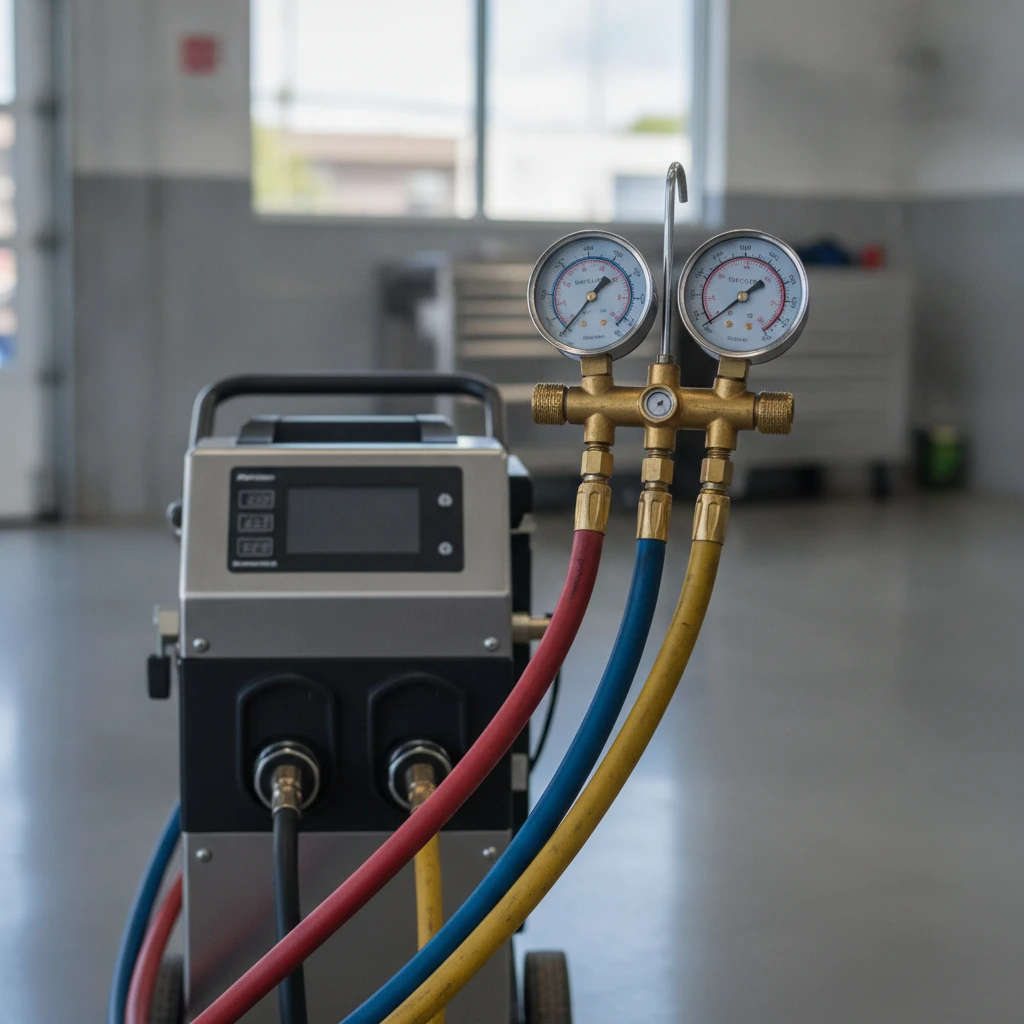
When you call the service desk, the single most useful thing you can hand us is the pattern, not just the words "it is not cold."
Cold on the highway, warm at idle. The condenser is not getting enough airflow when the truck is stopped. That points at the cooling fan, at debris blocking the condenser face, or at a charge that is low enough to only work when everything is in its favour.

Cold for the first ten or fifteen minutes, then warm. Classic of moisture in the system or a restriction at the expansion valve, where ice forms and chokes the flow, then thaws and starts over. It also shows up on systems that were topped up without ever being pulled into vacuum.
Cold air, but very little of it. That is usually not a refrigerant problem at all. A plugged cabin air filter, a tired blower motor, or a stuck recirculation door will starve the vents while the system underneath is working fine. Our post on engine and cabin air filters on a Ram 1500 covers how fast that filter loads up on gravel and pollen out here.
Cold on one side, warm on the other. On a truck with dual zone climate control, that is an actuator or blend door fault, not a refrigerant fault. No amount of refrigerant fixes it.
Nothing at all, and the compressor never clicks in. Could be a charge low enough that the pressure switch is protecting the compressor, could be electrical, could be the clutch or the compressor itself. This one is worth getting in quickly, because running a system with a failing compressor can spread metal debris through the whole loop and turn a repair into a much larger one.
Recharge Versus Leak Diagnosis: The Honest Version
Here is the part most warm air conversations skip. Because the system is sealed, a low charge means refrigerant escaped. The United States Environmental Protection Agency puts it plainly in its guidance for vehicle air conditioning: recharging is needed because refrigerant has leaked out, and repairing or replacing the leaking component before recharging is what gives a lasting result rather than a temporary one. Independent repair guidance says the same thing in blunter language. Topping off without finding the leak buys you weeks, not seasons.
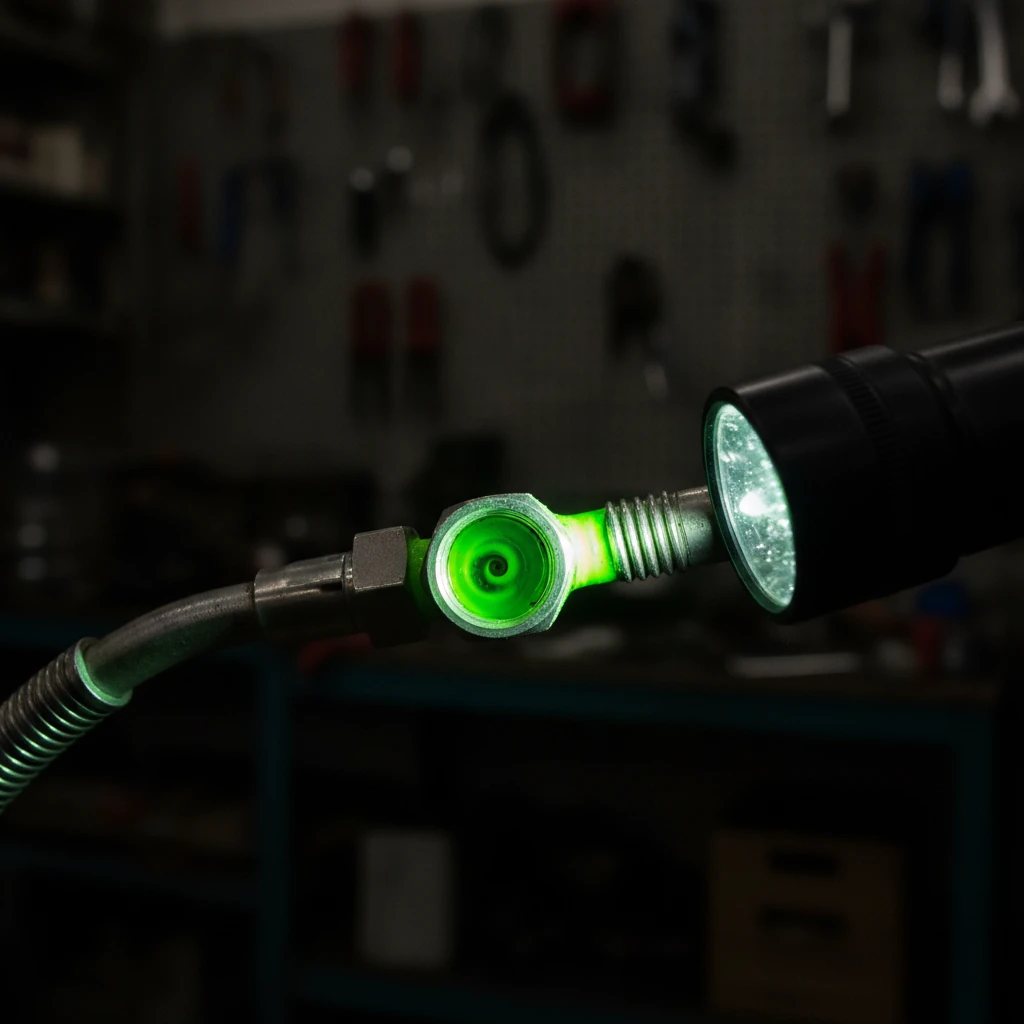
So what does a proper job look like. We find the leak, usually with fluorescent dye and an ultraviolet light, or with an electronic detector that sniffs refrigerant around fittings, lines, the condenser, the compressor shaft seal, and the evaporator case drain. We repair or replace whatever failed. Then the system gets evacuated under a deep vacuum, which is not just a leak test, it is how moisture gets boiled out of the system, and moisture is what turns into acid and ice and kills components. Then it gets recharged by weight to the factory specification for your exact truck, not by feel, and the vent temperature and system pressures get verified before it goes back to you.
There is a regulatory side to this too, which is part of why the corner store can is not the same thing as a service visit. In Canada, releasing refrigerant to the atmosphere is prohibited, and recovery from a system has to be done by a certified person using proper recovery equipment. That is federal, not a dealership policy.
One more piece of housekeeping. Newer trucks use R-1234yf refrigerant, older ones use R-134a, and the two are not interchangeable. They need different equipment and they cost very different money. The underhood service label states which one your truck takes and the exact charge weight, and we can confirm it by VIN when you book. Ask us for the current figure for your truck rather than trusting a number off a forum.
Why Prairie Summers Are Hard on a Truck AC

A truck in Manitoba gets a specific kind of abuse, and most of it lands on the condenser, which is the most exposed part of the whole system.
Late June and early July, the cottonwood fluff comes down and packs into the front of every grille in town. Add a summer of bugs on Highway 1 and harvest dust in August, and a condenser that was designed to breathe is now a felt mat. Then there is gravel. Anyone who runs section roads knows what a stone does at highway speed, and the condenser sits right up front to catch it. A pinhole in a condenser tube is one of the most common leaks we see on prairie trucks, and it is a stone chip, not a defect.
Winter does its own damage. Salt and brine spray sit in that same core for five months and corrode the aluminum from the outside in. And the system itself goes basically dormant from October to April, which is hard on seals and o rings. That is a big reason so many trucks that were fine in September are warm in June. Nothing broke overnight. It leaked slowly all winter while nobody was looking.
Add a trailer to the picture and it gets harder again. Underhood temperatures climb, the cooling fan works overtime, and a system that is marginal will show it first while you are towing in July traffic.
Quick Service or Real Repair
Not every warm air complaint is a big job. Here is roughly where the line sits.
Usually a quick visit. A plugged cabin air filter. A condenser face that needs to be properly cleaned out. A leaking service port valve. An actuator that needs to be replaced or relearned. A system that is slightly low from a fitting that just needs to be resealed and recharged. These are the good outcomes, and they are common enough that it is always worth having it looked at before assuming the worst.
A real repair. A stone holed condenser, which means a new condenser, a new receiver drier or accumulator, and a full evacuate and recharge. An evaporator leak, which is the expensive one because the evaporator lives inside the dash. A failed compressor, which usually means replacing the compressor, the drier, the orifice or expansion valve, and flushing the lines, because debris left in the system will kill the new compressor too.
What we will not do is put refrigerant in a system we know is leaking and send you down the road as though it was fixed. If it is a leak, we will show you where it is and what it takes. If the honest answer is that the repair is worth more than you want to put into a truck you were already thinking about replacing, we will say that too, and our new Ram 1500 inventory is right there when that is the real conversation.
If you want the broader picture of how our shop works and what a visit looks like, our service department guide walks through it, and if you are weighing where to take a truck that is still under warranty, we wrote about dealership versus independent shop service and your warranty as well. Genuine Mopar parts for the repair come through our parts department, which matters more on this system than most, since fitment and o ring material are not places to improvise.
Before You Book: A Two Minute Check
You can save yourself a diagnostic conversation with three quick observations in the driveway.
Start the truck, set the temperature to full cold, fan on high, and put it in recirculate. Note whether the air is cold at all, whether the airflow feels strong, and whether it changes when you rev the engine or start driving. Then walk to the front of the truck and look through the grille at the condenser. If you can see fluff, bugs, or a mat of dust across it, tell us. Finally, listen for the compressor engaging when the air conditioning switches on, a soft click and a small change in engine note. Those three notes turn a vague complaint into a starting point.
FAQs
Why is my truck AC not blowing cold air?
The most common single cause is low refrigerant from a leak, since the system is sealed and refrigerant is not consumed in normal use. It is not the only cause though. A plugged cabin air filter, a condenser blocked with debris, a failed cooling fan, a stuck blend door actuator, or a failing compressor all produce warm or weak air at the vent. The symptom pattern is what narrows it down.
Can I just get it recharged?
You can, and it will be cold for a while. But if the charge was low, it leaked, and adding refrigerant does not repair a leak. Industry repair guidance is consistent on this: topping off without finding the leak is a temporary fix. The lasting version is find the leak, repair it, evacuate the system under vacuum, then recharge by weight to specification.
How long should a proper air conditioning repair last?
If the failed component is actually replaced and the system is evacuated and charged to the correct weight, it should give you many normal seasons. If it goes warm again within a few weeks or a couple of months, that is the signature of a leak that was never repaired.
Does my truck use R-1234yf or R-134a?
Newer vehicles use R-1234yf and older ones use R-134a. The underhood service label lists the refrigerant type and the exact charge weight for your truck, and we can confirm it by VIN. They are not interchangeable, they need different equipment, and they are priced very differently, so call us for the current figure on your specific truck rather than assuming.
What does an air conditioning diagnosis cost?
That depends on what the truck needs and on the refrigerant it takes, so we are not going to print a number here that we cannot stand behind on your truck. Call the service desk or book online and we will tell you what the diagnostic step costs before we start, and what the repair costs once we know what failed.
Is it worth fixing air conditioning in the fall instead?
There is one good argument for not putting it off. The compressor also runs when you use the defrost setting, because that is how the system pulls moisture out of the air before it hits the windshield. A dead air conditioning system tends to mean a slower, foggier defrost come November, which is not a summer comfort issue anymore.
The Bottom Line
Warm air out of the vents is a symptom, not a diagnosis. The honest read is that low refrigerant is the most common cause, that low refrigerant always means a leak because nothing consumes it, and that a recharge with no leak search is a temporary result dressed up as a repair. Sometimes the fix genuinely is small: a filter, a cleaned condenser, an actuator. Sometimes it is a stone holed condenser or a compressor, and you deserve to hear that plainly with the part in your hand.
Either way, the fix is easier while it is still July. Book a service visit or reach the shop through our service centre page, tell us the symptom pattern, and we will find out where the cold went.
Tyler Dunn, Dunn Ram Trucks, Portage la Prairie