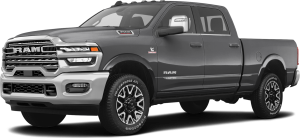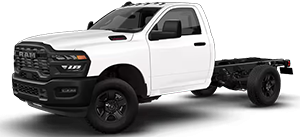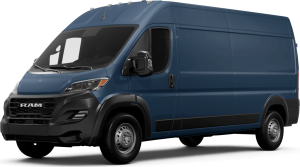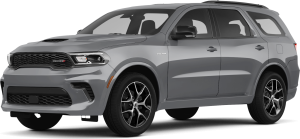
Leasing versus financing a truck is one of those decisions that gets answered wrong when you copy advice written for a car buyer in a big city. Out here, how you actually use a truck changes the math, and the honest answer depends far more on your kilometres and your plans than on which option sounds cheaper per month. If you are already eyeing a specific truck, you can line up your options fast with a quick truck financing application, or browse the new Ram 1500 lineup to see what fits before you decide how to pay for it.
We work both leases and finance deals for Manitoba buyers every week, so this is the straight version we would give you across the desk. No lean toward whichever one pads a payment, just how each one really suits a prairie truck owner.
Decided to finance? See this month's finance offers.
Key Takeaways
- Financing means you are buying the truck. You own it at the end, you build equity along the way, and there are no kilometre limits.
- Leasing means you are paying for the use of the truck over a set term, usually with a lower monthly payment but an annual kilometre cap and a return at the end.
- The kilometre cap is the single biggest factor out here. Rural and farm driving racks up distance fast, and overage charges can erase a lease's savings.
- Financing suits high mileage drivers, people who keep trucks a long time, and anyone who works a truck hard. Leasing suits low mileage drivers who want the newest truck every few years and a lower payment.
- Either way, a trade builds your position, and in Manitoba it also lowers the provincial tax you pay on the new one.
What each option actually means
Strip away the jargon and it comes down to ownership.
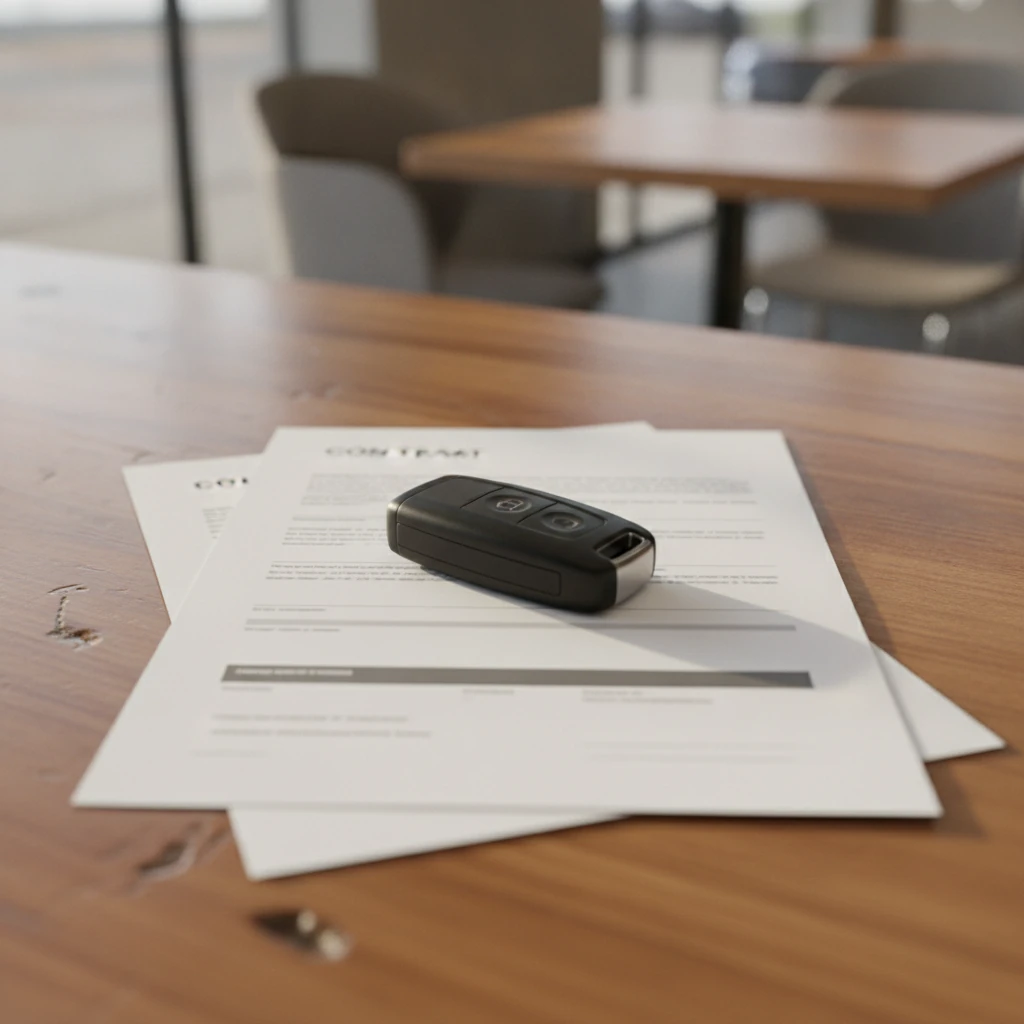
Financing is a loan to buy the truck. You make payments over a term, and at the end the truck is yours, free and clear. Every payment builds a little equity, there is no limit on how far you drive, and you can modify it, sell it, or keep it running for another decade. The monthly payment is usually higher than a lease on the same truck, because you are paying off the whole thing, not just a slice of it.
Leasing is paying for the use of the truck over a fixed term, often three or four years. You are covering the truck's depreciation over that window plus interest, not the whole value, so the monthly payment is usually lower. At the end you hand it back, or you buy it out at a price set in the contract. The catches are the kilometre cap and the wear expectations, and for a truck buyer out here that cap is the whole ballgame.
If you want to ground either option in a real monthly number, our breakdown of how much truck you can afford in Manitoba walks through budget and payment before you pick a path.

The kilometre cap is the whole story out here
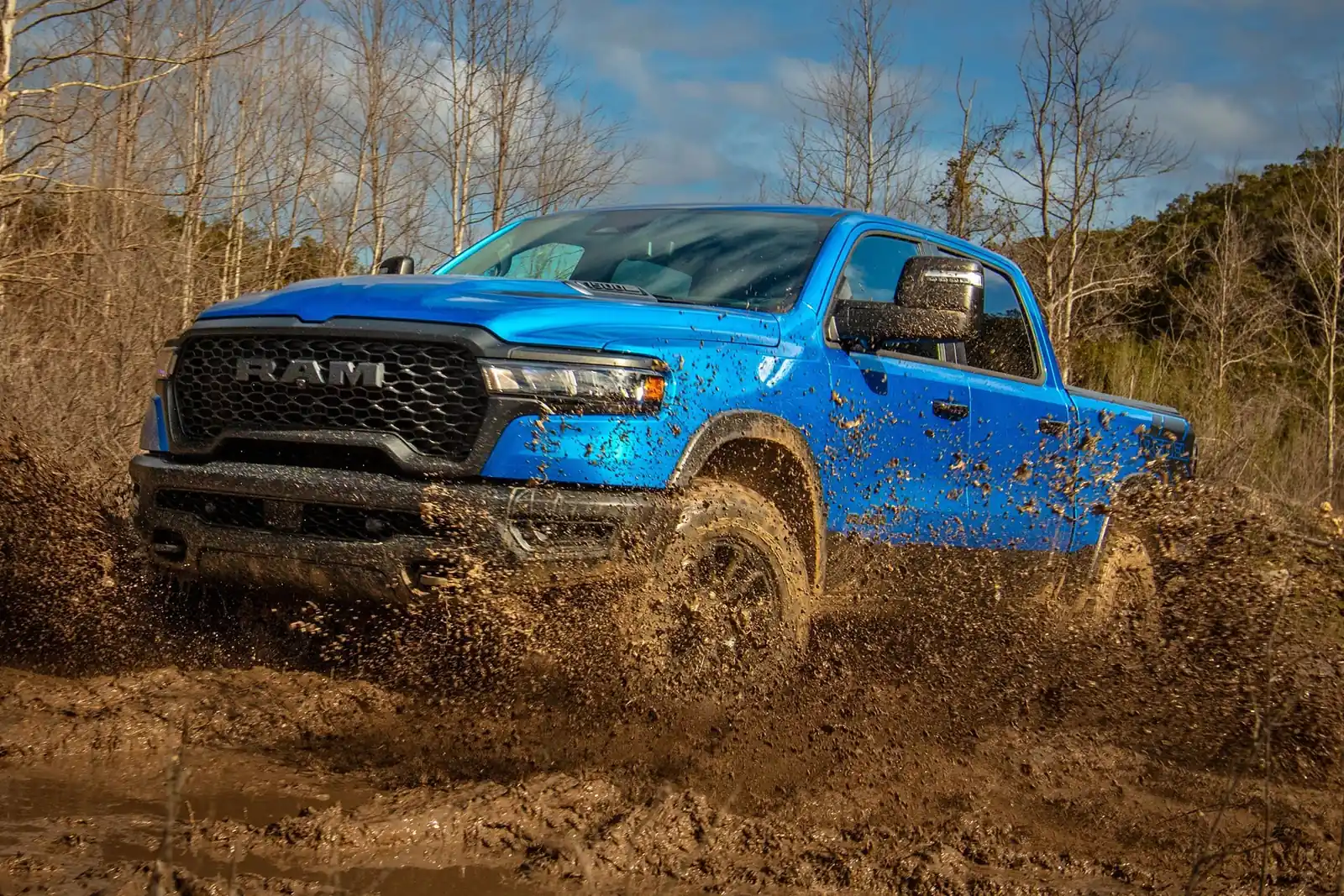
Here is the part that decides it for most prairie buyers. A lease comes with an annual kilometre limit, and if you go over it, you pay a per kilometre charge when you return the truck. Confirm the exact cap and overage rate on any lease you look at, because they vary by contract, but the principle does not change. The cap is a wall, and overage is where a low monthly payment quietly turns expensive.
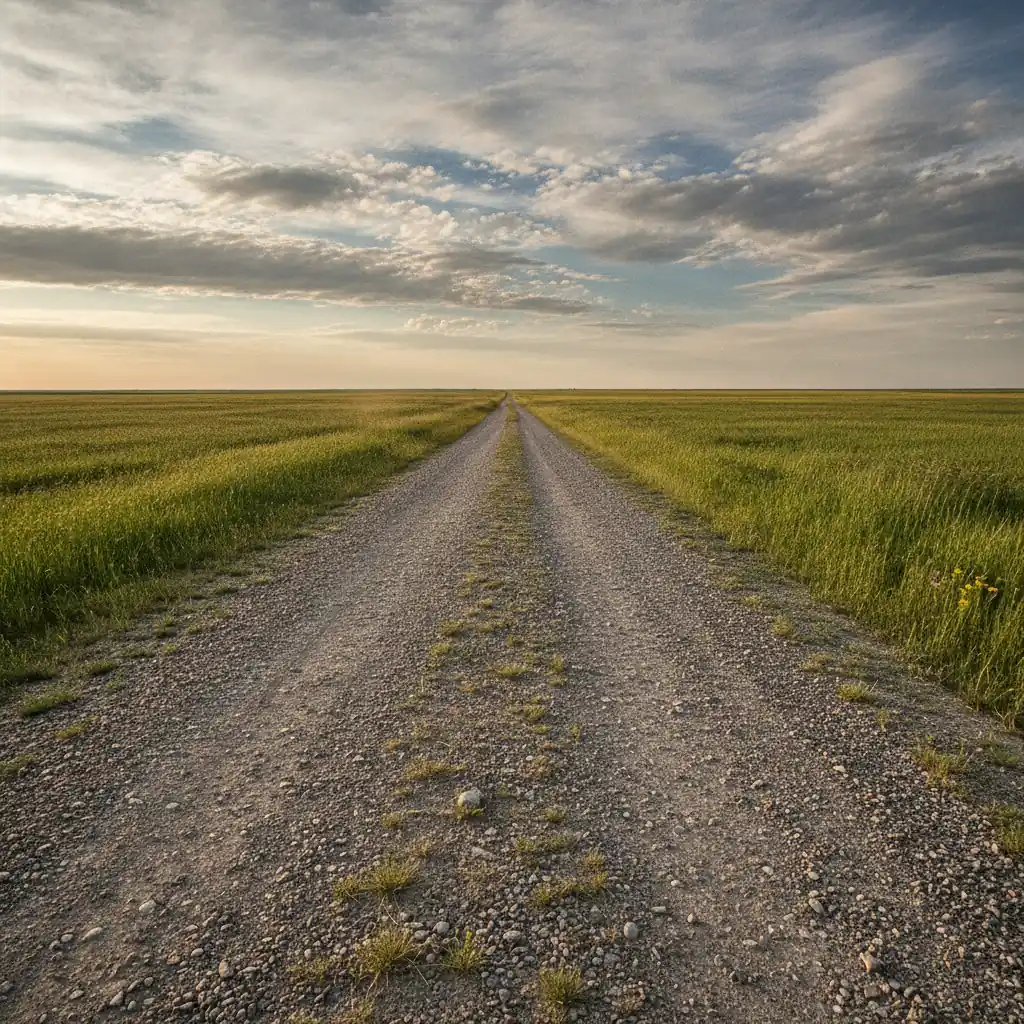
Now think about how a truck actually gets used around here. A daily run into Winnipeg, hauling to the farm, trips out to the lake, pulling a trailer up gravel, checking fields. Rural Manitoba distances add up in a hurry, and a lot of truck owners blow past a typical lease cap without realizing it until the return. If that is your driving, financing almost always wins, because there is no cap to worry about and every kilometre you drive is on a truck you own.
If your driving is genuinely light, a short commute, a second vehicle, mostly town miles, then a lease cap is not a problem and the lower payment is real. The point is to be honest with yourself about your kilometres before you sign, not after.
Equity, winter, and working the truck
A few more prairie realities push the decision.
Equity. When you finance, every payment moves you toward owning something you can sell or trade. When you lease, you hand the truck back with nothing to show unless you buy it out. For a buyer who keeps trucks a long time, that owned equity is a real advantage, and it becomes your down payment on the next one.
Working the truck. If you use a truck as a truck, hauling, towing, gravel, mud, the odd scratch and the honest wear of real work, a lease's end of term wear charges can bite. You are handing back a working truck and being graded like it should look like a showroom. When you own it, wear is just wear. This is a big reason our farm and trades customers lean to financing.
Winter. Manitoba winters are hard on any vehicle, and salt, cold, and gravel take their toll. On a financed truck that is your call to manage. On a lease you still have to return it in acceptable shape, so the winter wear question is one more thing to weigh. Whatever you choose, matching the right engine to your work matters, and our look at gas versus diesel in the Ram 1500 helps you pick the powertrain before you pick the payment.
So which one suits you
Here is the honest sorting, no spin.
Finance if you drive a lot of kilometres, keep your trucks for years, work the truck hard, or you simply like owning what you paid for. This is most truck buyers out here, and it is why financing is the more common path on our lot.
Lease if your kilometres are genuinely low, you want the newest truck every three or four years, you like a lower monthly payment, and you do not need to build equity. It is a real fit for the right driver, just not the majority around here.
Either way, a trade strengthens your hand. Equity in your current vehicle acts like a down payment, and in Manitoba it also shrinks the provincial sales tax on the new truck, because that tax applies to the price difference after your trade, not the full sticker. Get a real number for yours with our instant cash offer on your trade, and take a look at the Ram trucks we have in Winnipeg and Portage while you weigh it.
FAQs
Is it better to lease or finance a truck in Manitoba?
For most buyers here, financing, because rural and farm driving racks up kilometres fast and a lease's annual cap plus overage charges can erase the lower payment. Leasing suits low mileage drivers who want a newer truck every few years and a lower monthly payment. Be honest about your kilometres first.
What happens if I go over the kilometres on a truck lease?
You pay a per kilometre overage charge when you return the truck. The exact cap and rate vary by contract, so confirm both before you sign. For high mileage prairie driving, this is the most common way a lease ends up costing more than expected.
Do I build equity when I lease?
No. A lease pays for the use of the truck over the term, and you hand it back at the end unless you buy it out. Financing builds equity with every payment, and you own the truck outright when it is paid off.
Can I put my trade in toward a lease or a finance deal?
Yes, both. A trade acts like a down payment either way, and in Manitoba it also lowers the provincial tax you pay, since the tax applies to the price after your trade value is deducted.
Which is cheaper per month, leasing or financing?
Leasing usually has the lower monthly payment because you are only covering the truck's depreciation over the term, not its whole value. That lower payment is only a real saving if you stay under the kilometre cap and return the truck in good shape.
The bottom line
Leasing versus financing a truck is not a trick question, it is a usage question. If you drive a lot, work the truck, or keep it for years, financing almost always wins out here, and you end up owning something. If your kilometres are truly light and you like a newer truck on a lower payment, a lease can fit. Tell us honestly how you drive and we will run both paths against the same truck so you see the real numbers side by side. Start with a quick financing application or come see the new Ram 1500 inventory and we will help you match the truck and the payment to how you actually live out here.
Tyler Dunn, Dunn Ram Trucks, Portage la Prairie