Trading in the vehicle you already own is the simplest way to lower what you owe on your next one, but most people walk in with no idea what their current ride is actually worth. That uncertainty is where the stress comes from. So before you shop, it is worth getting a real number, and you can get one in a couple of minutes with our Instant Cash Offer tool without leaving the couch. Once you know where you stand, the whole process gets a lot calmer. Here is how trade value gets set in Manitoba, what moves the number up, and how to make the trade work toward your next truck.
This guide is about trading toward a purchase, which is the most common path and usually the one that leaves the most money in your pocket. If you just want to sell your vehicle outright with no purchase attached, our Instant Cash Offer handles that too, and the same valuation logic below applies either way.
Shopping this month? See our current finance deals.
Key Takeaways
- Trade value is set by the wholesale market, then adjusted for your vehicle's condition, mileage, options, and how much it will cost to make it retail ready.
- The fastest way to a real number is our online Instant Cash Offer, which gives you a firm figure to work from, not a vague estimate.
- You can raise your number: clean the vehicle, gather your service records, fix the small stuff, and time the trade to demand where you can.
- Trading toward your next vehicle rolls your equity straight into the deal and simplifies the paperwork versus a private sale.
- Trucks and SUVs tend to hold value well on the prairies, which often works in a Manitoba seller's favour.
How trade value actually gets set
There is no mystery number and no one trying to lowball you for sport. A trade figure is built from a few real inputs, and understanding them takes the guesswork out.
The wholesale market sets the floor. Every used vehicle has a current wholesale value, which is what it is worth at auction and between dealers on any given week. That value moves with supply and demand, the season, fuel prices, and how hot that specific model is right now. It is the honest starting point, and it is not the same as the retail sticker you see on a similar vehicle for sale, because that retail price has to cover reconditioning, warranty, and overhead.
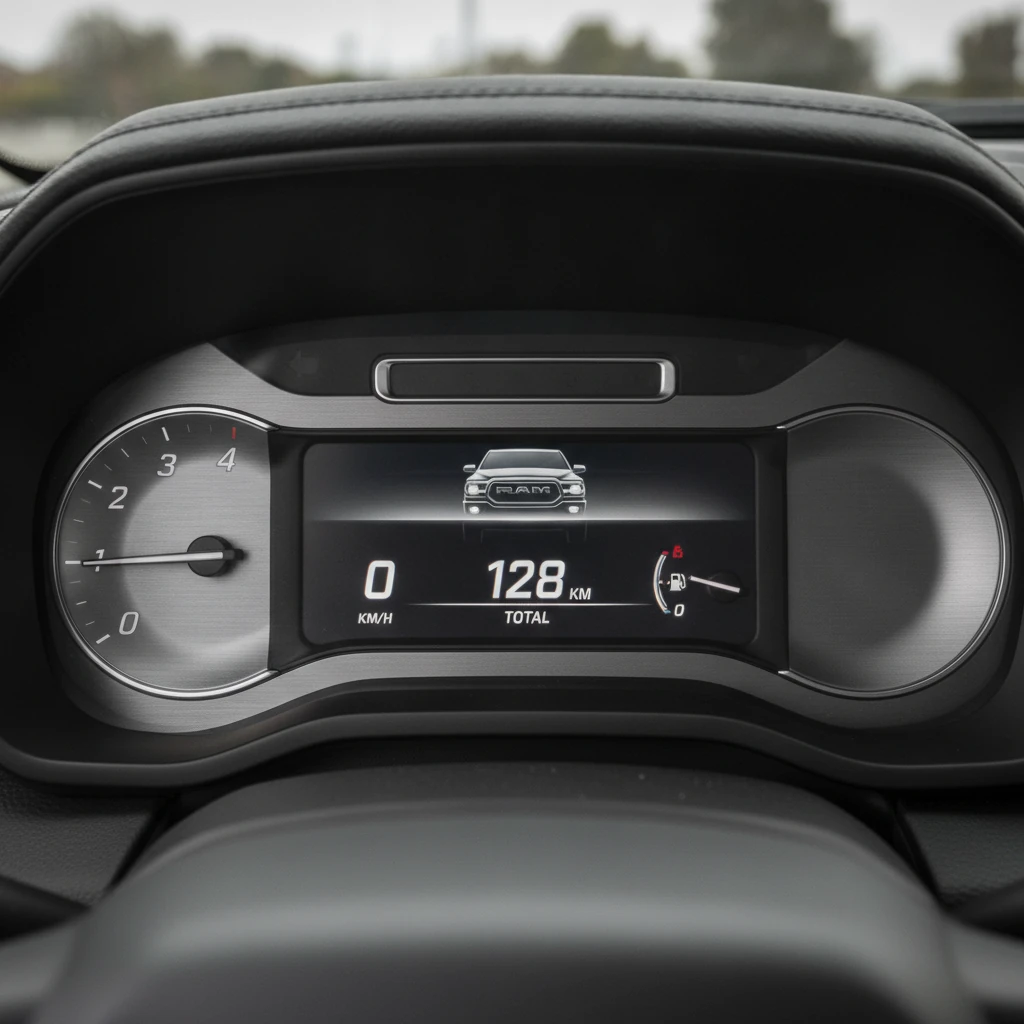
Condition and mileage adjust it. From that market baseline, your specific vehicle gets adjusted. Lower kilometres help. A clean, well kept truck with no warning lights and good tires holds more value than the same truck with a cracked windshield, worn brakes, and a check engine light. Damage, heavy wear, and deferred maintenance all pull the number down because they become the buyer's cost to fix.
Reconditioning cost comes off. Before your trade can sell again, it needs to be made retail ready: safety, detail, tires, glass, any mechanical work. Those costs are estimated and factored in. This is why a vehicle that needs little work trades stronger than one that needs a long list, even at the same mileage.

Options and demand matter. The right drivetrain, a desirable trim, four wheel drive on a truck, or a well optioned package can lift your number when there is real demand for it. On the prairies, a four wheel drive truck or a capable SUV usually carries strong demand, which tends to help Manitoba sellers.
What you can do to raise your number
You do not control the wholesale market, but you control more of the final figure than you might think. None of this is complicated, and it adds up.
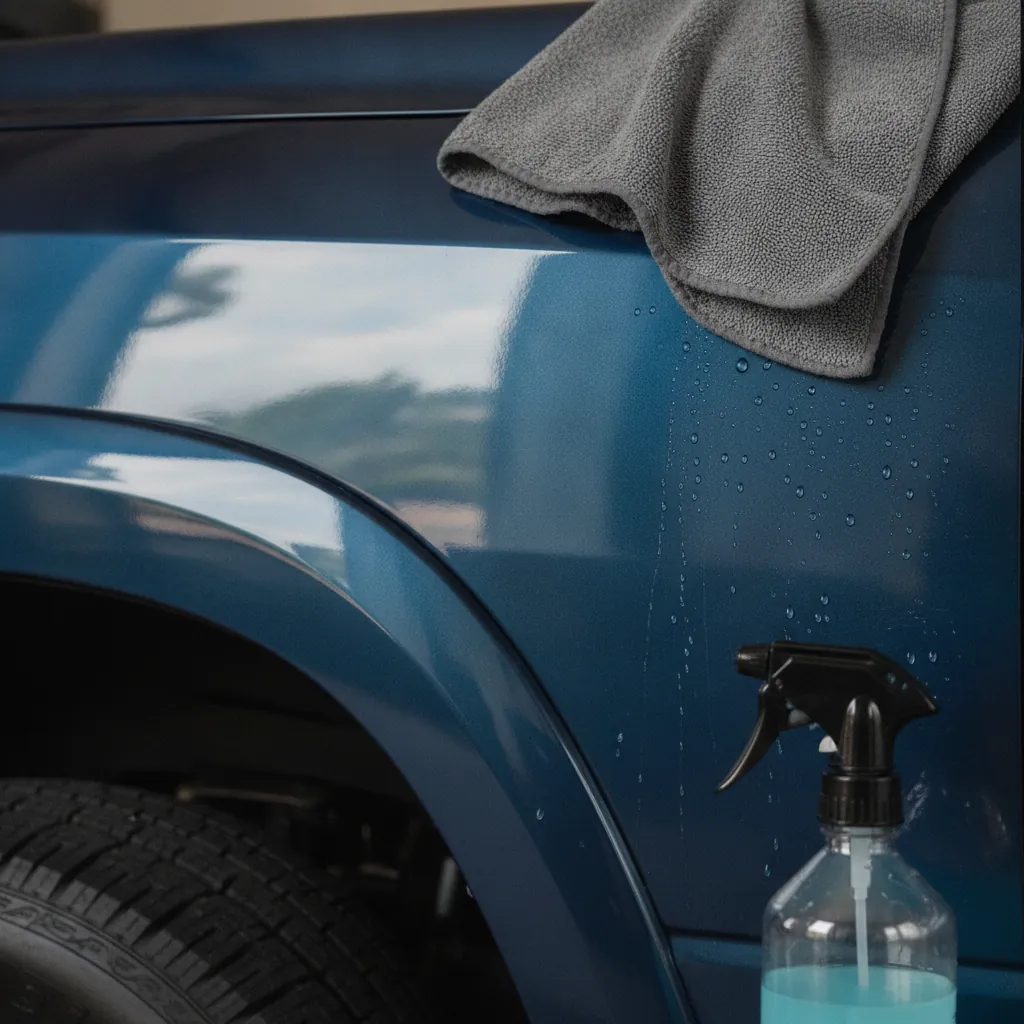
Clean it, inside and out. A vehicle that presents well appraises better and reads as well cared for. A full detail before your appraisal is cheap and it pays for itself. Clear out the personal clutter, wipe down the interior, and give it a proper wash.
Gather your service records. Documented maintenance is proof the vehicle was looked after, and it supports a stronger number. A folder of dated receipts, or even photos on your phone, tells the real story. This is the same habit that protects a factory warranty, and it helps here too.
Fix the cheap stuff, skip the expensive stuff. Replacing a burnt out bulb, topping fluids, or swapping a cheap worn wiper is worth doing. Sinking real money into a major repair right before a trade usually is not, because you rarely get it back. When in doubt, ask us before you spend, and we will tell you straight whether a fix is worth it.
Do not over modify. Aftermarket parts, lift kits, tunes, and loud exhausts feel like added value to the owner, but they narrow the buyer pool and often do nothing for, or even hurt, the trade number. A clean, stock, well maintained vehicle is the easiest one to value up.
Mind the timing. Demand shifts through the year. A four wheel drive truck or SUV can be especially sought after heading into the seasons Manitobans need them, and a convertible or a summer toy is easier to move in spring. You cannot always time it, but where you can, it helps.
Why trading beats a private sale for most people
Selling privately can occasionally net a bit more, but it comes with real costs that people forget: strangers at your door, tire kickers, no shows, payment risk, and the time it all eats. Trading in removes almost all of that friction, and it comes with two concrete advantages.
First, your equity rolls straight into your next vehicle. If your trade is worth more than you owe on it, that difference comes right off the price of what you are buying. If you have a truck to move on and a new one in mind, you can browse the new Ram 1500 lineup and picture the whole deal in one place, or figure out your budget first with our guide to how much truck you can afford in Manitoba.
Second, the paperwork is simpler and the process is fast. We handle the transfer, and you drive away in one transaction instead of managing a private sale on the side. You can even start the financing side ahead of time with our finance application so the numbers are ready when you arrive. If you are coming from the city, our guide to buying a truck out of town from Winnipeg covers how a trade works when you are not local.

The Manitoba specifics worth knowing
A couple of local realities shape a prairie trade. Winter is hard on vehicles here, so salt exposure, gravel chips, and cold weather wear are things an appraiser looks at, and they are things you can get ahead of by keeping the vehicle clean and rust checked. On the upside, the same prairie conditions mean four wheel drive trucks and capable SUVs stay in strong demand, which often supports a healthy trade number for exactly the vehicles most Manitobans drive.
The best move is simple: get your real number first, then shop. When you know your trade value up front, you can tell a good deal from a bad one instantly, and you never have to wonder whether you left money on the table. Start with the Instant Cash Offer, bring the vehicle by when it suits you, and we will walk you through the rest.
FAQs
How do I find out my trade in value in Manitoba?
The fastest way is our online Instant Cash Offer tool, which gives you a real, firm number in a couple of minutes based on your vehicle's details and the current market. You can also bring the vehicle in for an in person appraisal any time, and we will confirm the figure.
What is the difference between trade value and the retail price I see online?
Trade value is closer to the wholesale market, what the vehicle is worth between dealers before any work is done to it. The retail price on a similar vehicle for sale is higher because it includes reconditioning, safety, warranty, and overhead. Comparing your trade offer to a retail listing is not an apples to apples comparison.
Does cleaning my vehicle really change the offer?
It helps. A clean, well presented vehicle reads as well maintained and appraises more confidently than a cluttered, dirty one at the same mileage. A detail before your appraisal is inexpensive and usually worth it.
Should I fix things before trading it in?
Fix the cheap, easy items like bulbs, fluids, and worn wipers. Avoid pouring money into a major repair right before a trade, since you rarely recover the cost. If you are unsure whether a repair is worth doing, ask us first and we will give you a straight answer.
Can I trade in a vehicle I still owe money on?
Yes. If your vehicle is worth more than the remaining loan, that equity comes off your next purchase. If you owe more than it is worth, the difference can often be worked into the new financing. Bring us the details and we will show you exactly how the numbers land.