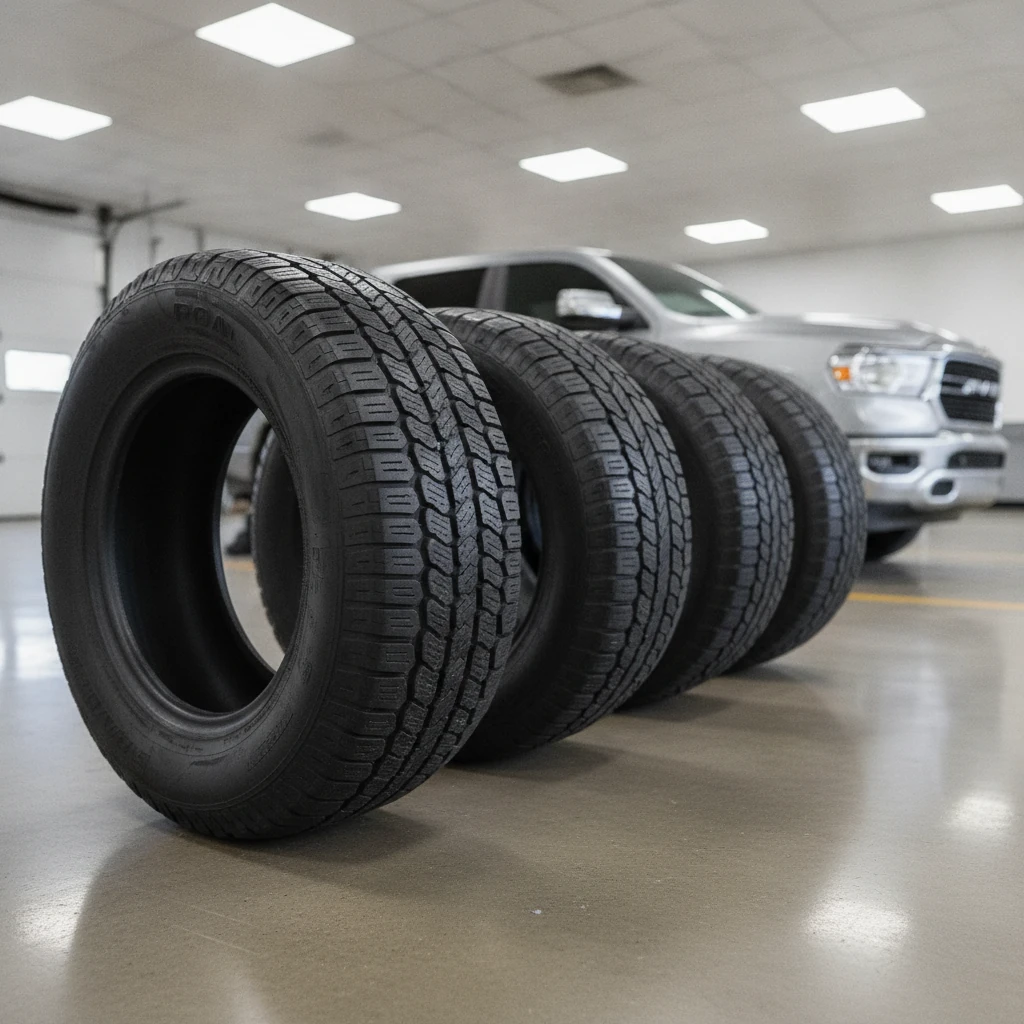
Tire rotation is one of those jobs that quietly saves you real money and almost nobody thinks about until it is too late. Skip it long enough and your tires wear unevenly, the worn ones come off the road thousands of kilometres early, and you end up buying rubber before you should have. Do it on schedule and your set wears flat and even, lasts as long as it was built to, and grips better through a Manitoba winter. It is one of the cheapest things you can do for your vehicle and one of the easiest to forget.
The good news for Manitoba owners is that you already have the perfect built in reminder, and you may not even realize it. Here is how often you actually need to rotate, why it matters more out here than in a place with one set of tires year round, and how to fold it into a rhythm you will not forget.
Key Takeaways
- Rotate roughly every 8,000 to 12,000 kilometres for most vehicles, or follow your owner's manual, which is the final word for your specific vehicle.
- In Manitoba you have a built in schedule already. Twice a year you swap between winter and summer or all season tires. Rotate at every changeover and you are right in the sweet spot without tracking kilometres.
- Rotation matters because tires wear unevenly by position. Front tires usually wear faster, the drive wheels work hardest, and moving them around evens it all out so the whole set lasts longer.
- Even wear is also a winter safety thing. A set that wears evenly keeps consistent grip across all four corners, which matters on ice when you need every bit of traction you have.
- Pair rotation with an oil change and a quick brake and fluid check and you cover most routine maintenance in one visit, which is exactly how the changeover seasons work out.
- We can do it while your tires are already off during your seasonal swap, which is the most efficient time there is.
What Tire Rotation Actually Is, and Why It Works
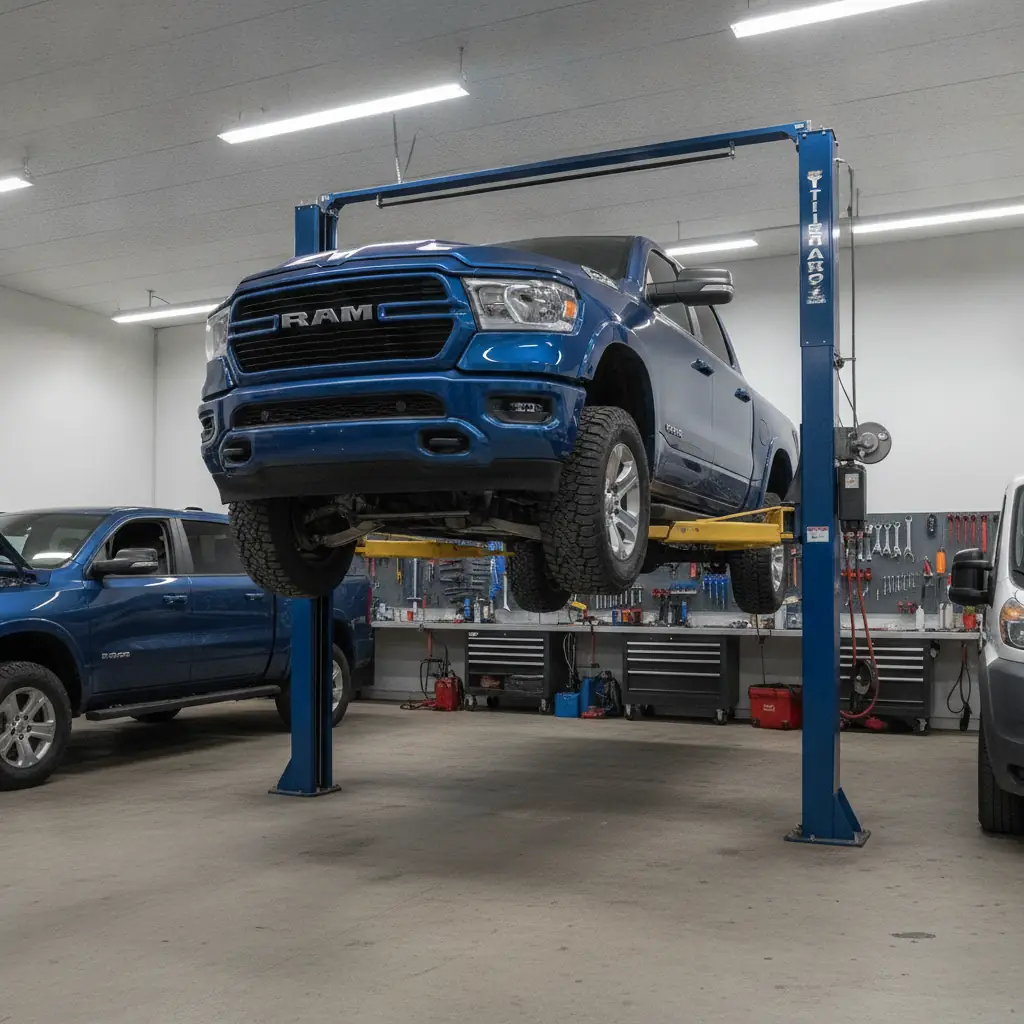
Rotating your tires just means moving them to different positions on the vehicle on a regular schedule, front to back and sometimes side to side, in a specific pattern. That is the whole job. It sounds almost too simple to matter, but the reason it works is in the physics of how a vehicle wears its tires.

Each corner of your vehicle asks something different of its tire. The front tires handle steering and a lot of the braking load, so they tend to wear faster than the rears, especially on the outer edges from cornering. The drive wheels, whichever ones put the power down, work harder and wear faster too. Weight distribution, your alignment, and your driving habits all pile onto this. Left alone, your tires wear into four different states: two nearly bald, two with lots of tread left, all at different rates. When the worst ones hit the wear bars, the set is done, even though half your rubber still had thousands of kilometres in it.
Rotation fixes that by spreading the wear around. Each tire takes a turn in the hardest working position and a turn in the easiest, so they all wear down together at roughly the same rate. The payoff is real money: you get the full life the tires were built for instead of throwing the set away early because two of them wore out first. On a vehicle that goes through tires regularly, like a half ton truck, that adds up fast over the years you own it.
How Often to Rotate: The Real Numbers
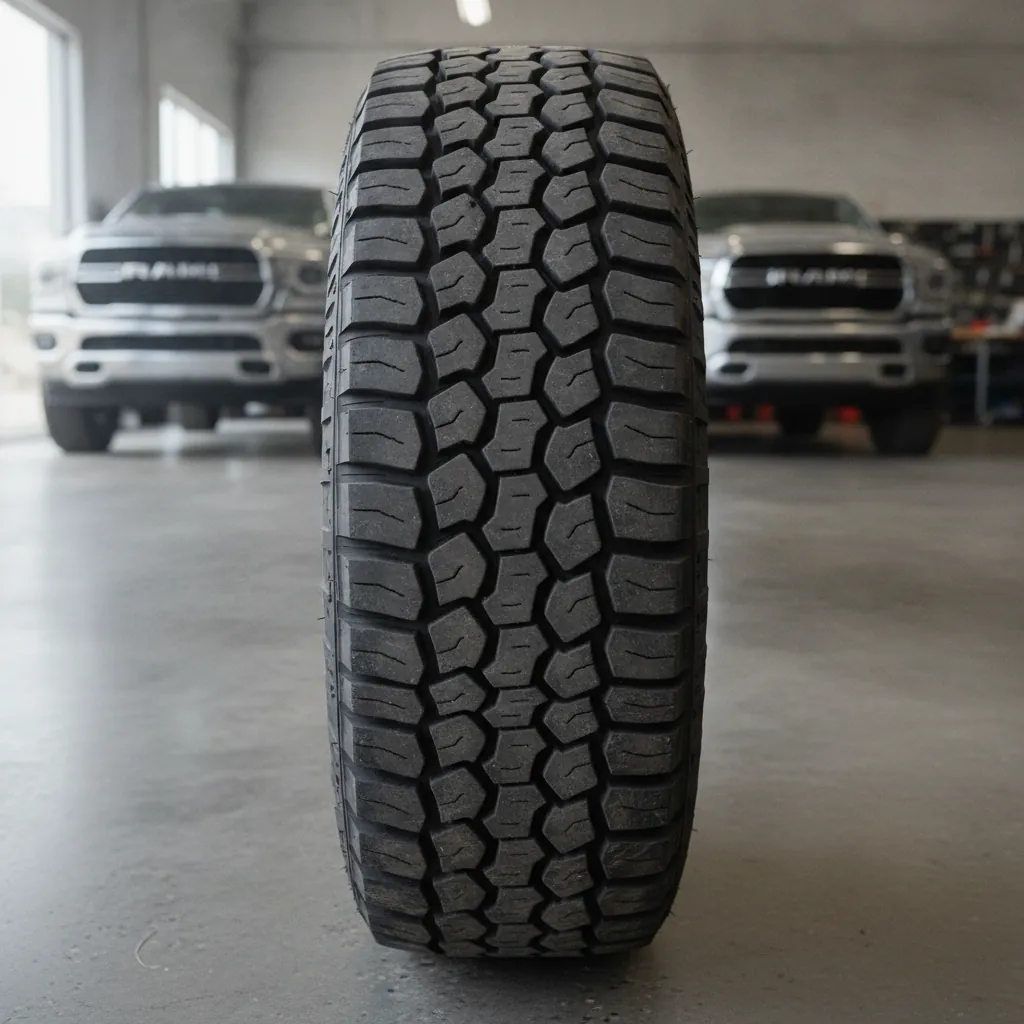
Here is the number most owners are looking for: rotate roughly every 8,000 to 12,000 kilometres for most vehicles. That is the general window the tire and vehicle industry lands on, and it is a good default if you have nothing more specific to go on.

But the real answer is the one printed in your owner's manual, because the right interval depends on your specific vehicle, its drivetrain, and how it is built. Some vehicles call for rotation more often, some less, and your manual is the final word. If you have lost the manual or do not want to dig through it, just ask us, we will tell you the interval for your exact vehicle when you are in. The point is that 8,000 to 12,000 kilometres is the safe general rule, and your manual refines it.
The thing that trips people up is that this is a kilometre based interval, and most of us do not track our odometer against a maintenance chart in our heads. That is exactly why so many people forget rotations entirely. Which brings us to the trick that makes this easy for everyone out here.
The Manitoba Shortcut: Rotate at Every Tire Changeover
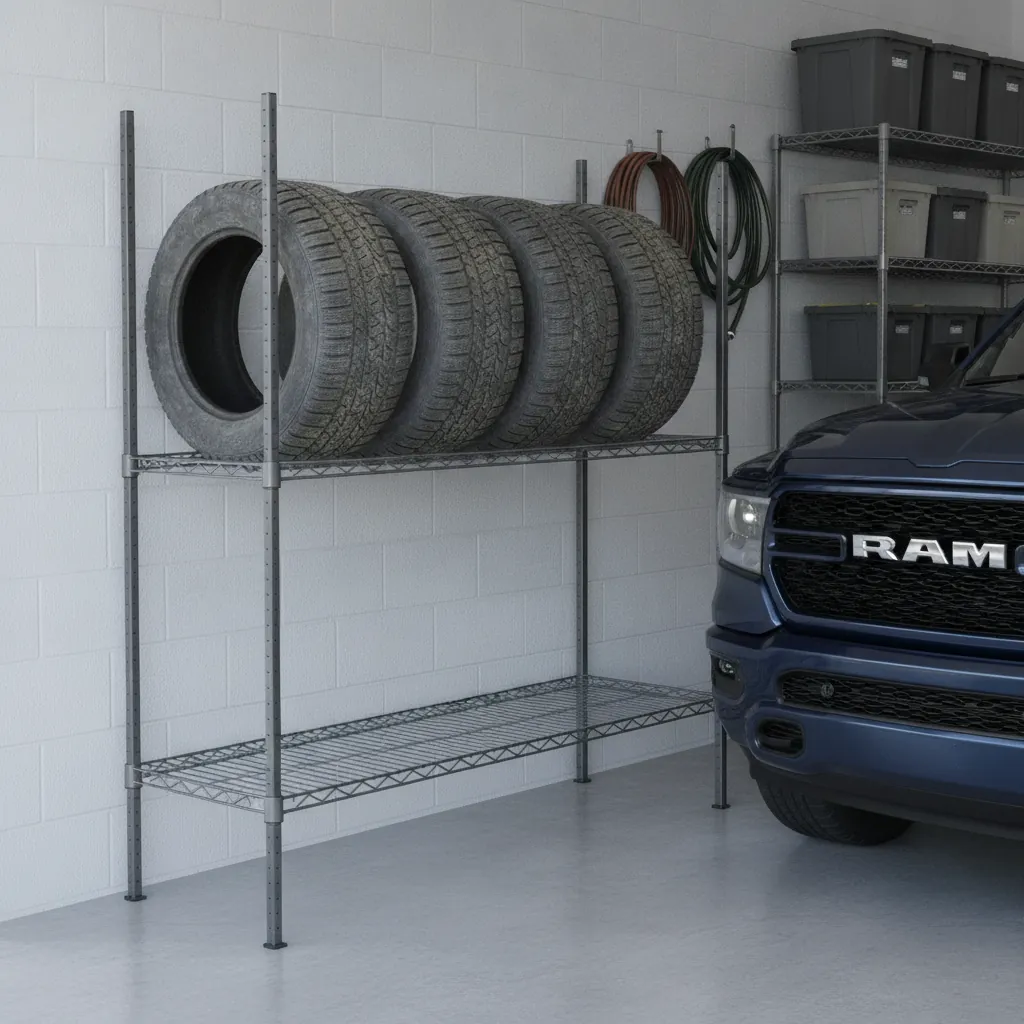
This is the part that makes Manitoba owners luckier than most, even if it does not feel that way in February.
Because we run two sets of tires a year out here, winter tires when it gets cold and summer or all season tires when it warms up, almost every vehicle on the road gets its tires taken off and put back on twice a year. That is two natural service moments built right into the calendar. And it turns out that two changeovers a year lands almost exactly on the 8,000 to 12,000 kilometre rotation window for typical Manitoba driving. The thing you are already doing, swapping for the season, is the perfect built in reminder for the thing you keep forgetting.
So here is the shortcut that means you never have to track a single kilometre: rotate your tires at every seasonal changeover. When you bring the vehicle in to put the winter tires on in the fall and again to take them off in the spring, we rotate them as part of the same job. You do not need a separate appointment, you do not need to remember a number, and you stay right in the recommended window automatically. For most people, this single habit takes care of tire rotation forever.
If you drive a lot of kilometres, a long highway commute, a sales route, a truck that works for a living, you may pass the 12,000 kilometre mark before the next changeover. In that case it is worth one mid season rotation, and we will flag it for you if your mileage suggests it. For the average Manitoba driver, though, the two changeovers cover it. Not sure when to do the fall swap in the first place? Here is our guide on when to switch to winter tires in Manitoba and how the MPI tire program helps with the cost.
Why Even Wear Is a Winter Safety Thing, Not Just a Money Thing
It is easy to think of rotation as purely a way to save money on tires, and it is that. But out here there is a safety angle that matters just as much.
Traction on ice is all about the rubber meeting the road, and it works best when all four tires are wearing evenly and gripping consistently. When you skip rotations and let two tires wear out far ahead of the others, you end up driving on a set where the grip is uneven corner to corner. On dry pavement you might never notice. On a black ice morning on the way to work, or braking into a snowed in intersection, that uneven grip is exactly when you want every advantage you can get. A set that has been rotated and wears evenly gives you balanced, predictable traction across all four corners, which is what keeps the vehicle behaving the way you expect when the road turns slick.
This is the same reason we never let anyone leave on tires that are too worn for winter, no matter how much tread is technically left on the deepest ones. Even, healthy wear across the set is part of what makes a winter tire actually do its job. Rotation is one of the simplest ways to keep that grip even, and it costs almost nothing.
Fold It Into One Efficient Visit

The smartest way to handle tire rotation is to never make a separate trip for it, and the seasonal changeover gives you the perfect chance.
When your tires are already off the vehicle for the seasonal swap, rotating them is the most efficient it will ever be, the wheels are in our hands anyway. While we are in there, it is also the natural moment to knock off the rest of your routine maintenance in one visit. An oil change if you are due, a look at your brakes while the wheels are off and the rotors are right there in front of us, a quick check of your fluids and your battery health heading into the cold. That is most of your routine maintenance handled in a single appointment, with the tires rotated as a no extra trip bonus.
That bundled visit is genuinely how a lot of our customers keep their maintenance on track without thinking about it. They come in twice a year for the changeover, we rotate, we catch anything that needs catching, and they drive off knowing the vehicle is sorted for the season. It is the low effort way to stay ahead of the expensive surprises.
When you are due for a changeover, an oil change, or you just want us to check whether your tires need rotating, you can book a service appointment online in a couple of minutes, or call our service centre and we will get you in. If you are due for new tires altogether, our parts department can get you the right rubber for your vehicle and our conditions.
FAQs
How often should I rotate my tires?
For most vehicles, every 8,000 to 12,000 kilometres, or whatever interval your owner's manual specifies for your exact vehicle, which is the final word. In Manitoba, the easiest approach is to rotate at every seasonal tire changeover, twice a year, which lands right in that window for typical driving without you having to track kilometres.
Do I really need to rotate my tires?
Yes, if you want your tires to last as long as they were built to. Tires wear unevenly by position, front faster than rear, drive wheels hardest, so without rotation two of them wear out early and you replace the whole set before you should. Rotation spreads the wear evenly so the full set lasts, which saves real money and keeps your winter grip consistent across all four corners.
When is the best time to rotate tires in Manitoba?
At your seasonal tire changeover. Since most vehicles here swap between winter and summer or all season tires twice a year, the tires are already off the vehicle, which makes it the most efficient time to rotate. Doing it at both changeovers keeps most drivers right in the recommended interval automatically.
What happens if I never rotate my tires?
They wear unevenly, your front or drive tires wear out thousands of kilometres before the rears, and you end up buying a new set early while half your rubber still had life left. You can also end up with uneven grip corner to corner, which matters most on ice and snow when you need balanced traction. It is a costly habit to skip.
Can you rotate my tires during the seasonal swap?
Yes, and that is the ideal time. Your tires are already off the vehicle for the changeover, so rotating them adds almost no time and saves you a separate trip. We can also handle an oil change, a brake check while the wheels are off, and a fluid and battery check in the same visit, so most of your routine maintenance gets done at once.
Does tire rotation cost extra during a changeover?
It is one of the cheapest pieces of routine maintenance there is, and bundling it with a changeover or an oil change is the most cost effective way to do it since the wheels are already in our hands. Ask us when you book and we will tell you exactly what your visit covers for your vehicle.
A Two Minute Habit That Pays for Itself
Tire rotation is not complicated and it is not expensive, but skipped long enough it quietly costs you a set of tires before its time and chips away at your winter grip. The fix is the easiest maintenance habit there is for a Manitoba owner: rotate at every seasonal tire changeover, and you stay on schedule without tracking a single kilometre. Twice a year, while the tires are already off, with the rest of your routine maintenance handled in the same visit.
When your next changeover or oil change comes up, book a service appointment and we will rotate your tires, check your brakes and fluids while we are in there, and send you off set for the season. Whether you bought your vehicle from our new or used inventory or somewhere else entirely, our service team is glad to keep it running strong through every Manitoba winter.
Tyler Dunn, Dunn Ram Trucks, Portage la Prairie