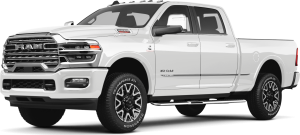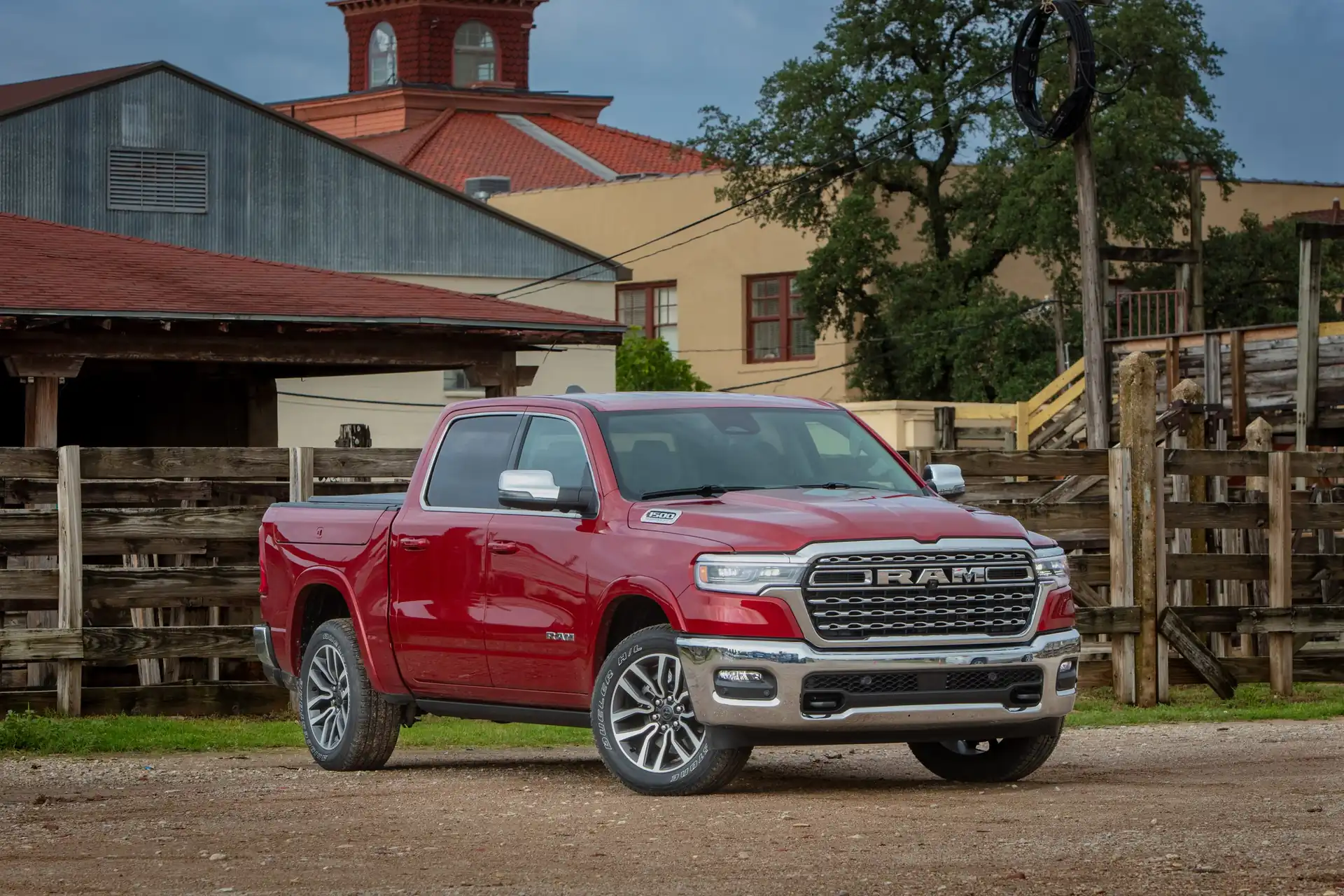
Engine, trim and colour get all the attention on a truck order, and then the cab question sneaks up on people at the desk. Crew Cab or Quad Cab. It is the one choice you genuinely cannot change later, and it quietly decides how many people ride comfortably, how much fits in the box, and how the truck fits your yard or your garage. It is worth ten minutes of thought, and it is worth walking a couple of real trucks before you sign, which is what our new Ram 1500 inventory in Portage la Prairie is for.
Here is the straight version of that conversation. Every figure below is 2026 model year and comes from Ram's own published specifications and the official FCA 2026 Ram 1500 Payload and Towing sheet, the same document our desk works from. Where the published numbers disagree between sources, we say so instead of picking the tidy one.
Key Takeaways
- Ram builds the 2026 1500 in two cabs. The Quad Cab comes one way only, with the 6 foot 4 box. The Crew Cab is offered with either the 5 foot 7 box or the 6 foot 4 box. That is the whole menu.
- The rear seat is the real difference, and it is a big one. Published second row legroom for the Quad Cab sits around 36 inches. The Crew Cab is in the mid 40s, roughly nine inches more, which is the difference between a back seat kids tolerate and a back seat adults ask to sit in.
- A Quad Cab with the long box is shorter overall than a Crew Cab with the short box. 5,814 mm (228.9 in) versus 5,916 mm (232.9 in). If you want maximum box and minimum truck, that is the configuration nobody points out.
- Cab choice moves payload and towing by hundreds of pounds, not thousands. On the Hurricane Standard Output in 4x4, payload runs 1,910 lb in the Quad Cab, 1,840 lb in the Crew Cab with the short box and 1,750 lb with the long box. Engine and axle ratio matter more than cab.
- The honest split: haul people, buy the Crew Cab and stop overthinking it. Haul gear, and the Quad Cab with the 6 foot 4 box is the smarter, tighter, better carrying truck.
The Two Cabs, Plainly
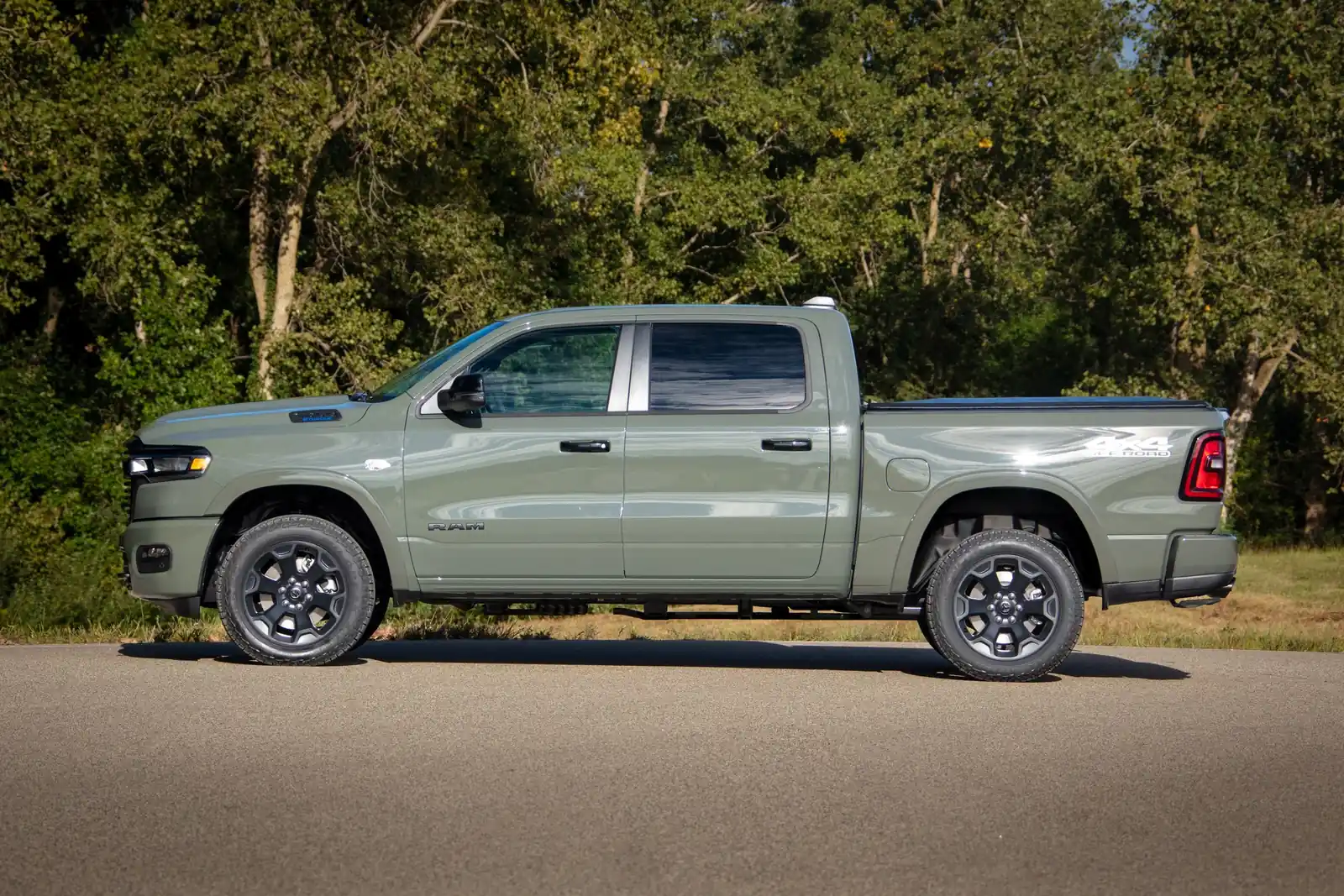
Both cabs have four doors. The difference is how much of the truck's length went to the cab and how much went to the box.

Quad Cab. Four doors with noticeably shorter rear doors, a shorter rear seat area, and the 6 foot 4 box as the only choice. Wheelbase is 3,569 mm (140.5 in) and overall length is 5,814 mm (228.9 in).
Crew Cab, 5 foot 7 box. Full size rear doors and the long rear seat. Wheelbase 3,670 mm (144.5 in), overall length 5,916 mm (232.9 in). This is the volume seller and the one most people picture when they say "new truck."
Crew Cab, 6 foot 4 box. The big cab and the big box together. Wheelbase about 3,899 mm (153.5 in) and overall length about 6,142 mm (241.8 in). Roughly 20 feet 2 inches of truck.

The box lengths themselves are 1,712 mm (67.4 in) for the 5 foot 7 and 1,938 mm (76.3 in) for the 6 foot 4, per Ram Canada's 2026 figures.
Rear Seat Room and the Car Seat Reality
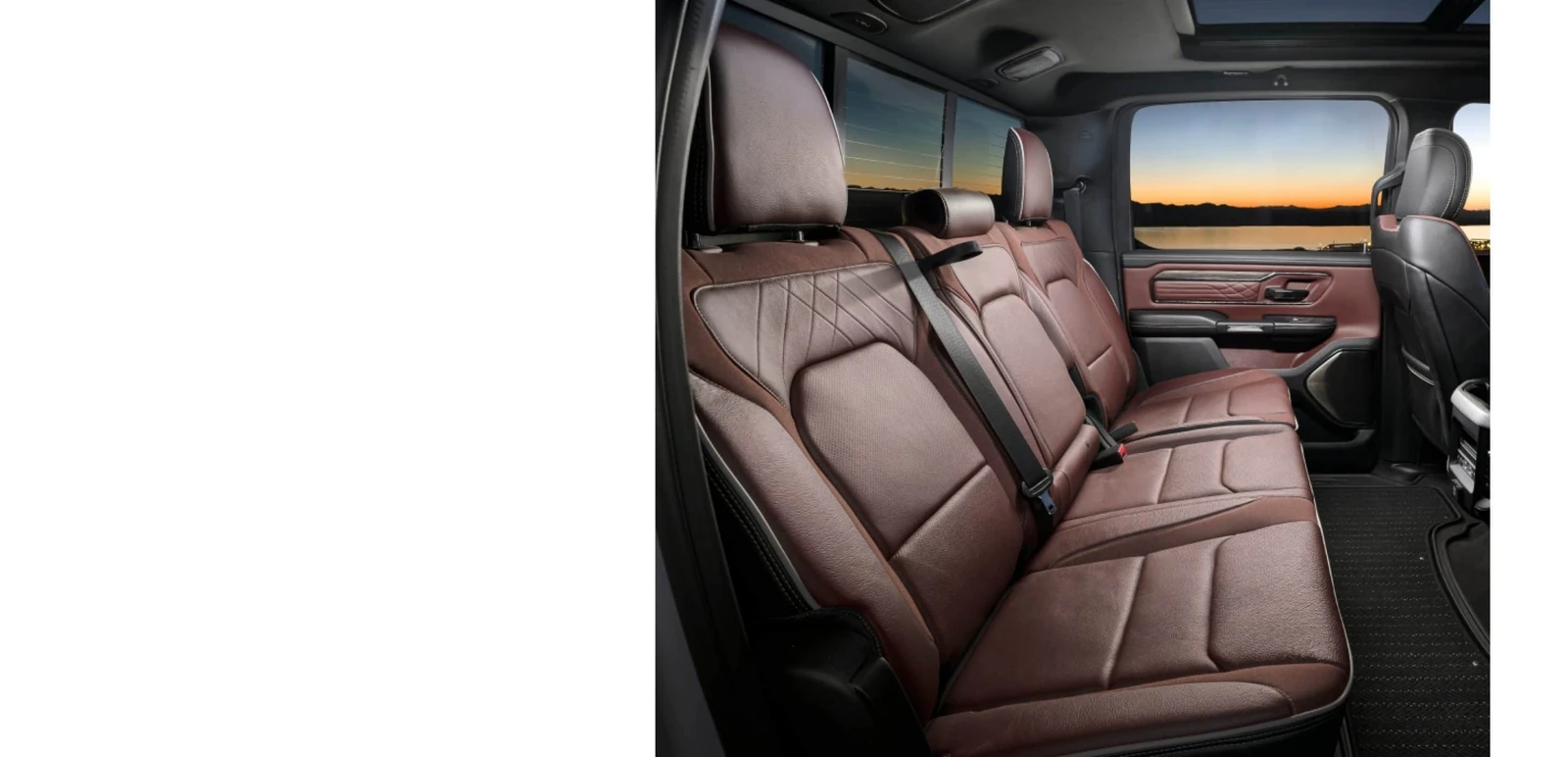
This is where the decision actually gets made, so let us be careful with the numbers.
Published second row legroom for the Quad Cab sits around 36 inches. For the Crew Cab, the published figures land in the mid 40 inch range, with sources listing between 44.8 and 45.2 inches depending on the exact configuration measured. We are not going to pick one of those and pretend it is gospel. The point that matters is the gap, and the gap is close to nine inches. That is not a spec sheet nicety. That is a whole different back seat.
Ram equips the Crew Cab second row properly too. Their own 2026 material lists a class exclusive 8 degree recline, a flat load floor, RamBins, tie down rings and expandable under seat storage, with heated and cooled rear seats available, and Ram claims best in class second row legroom for the truck. If you want the exact legroom figure on the specific build you are looking at, ask us and we will pull it off a live build sheet rather than off a chart.
Now the part that decides it for a lot of Manitoba families. Provincial law here requires a child to stay in a booster seat until they are at least 145 cm (4 feet 9 inches), 36 kg (80 lb) or nine years old. That means the average family is running boosters or full car seats for years longer than they expect, and every one of those seats eats rear legroom. A rear facing infant seat pushes the front passenger seat forward. Two boosters plus a third body in the middle is a squeeze in the Quad Cab and a non event in the Crew Cab.
The blunt version we give people at the desk: if a car seat is going in the back of this truck for the next five years, buy the Crew Cab. Nobody has ever come back and told us the back seat is too big.
The Box Tradeoff, and the Length Surprise
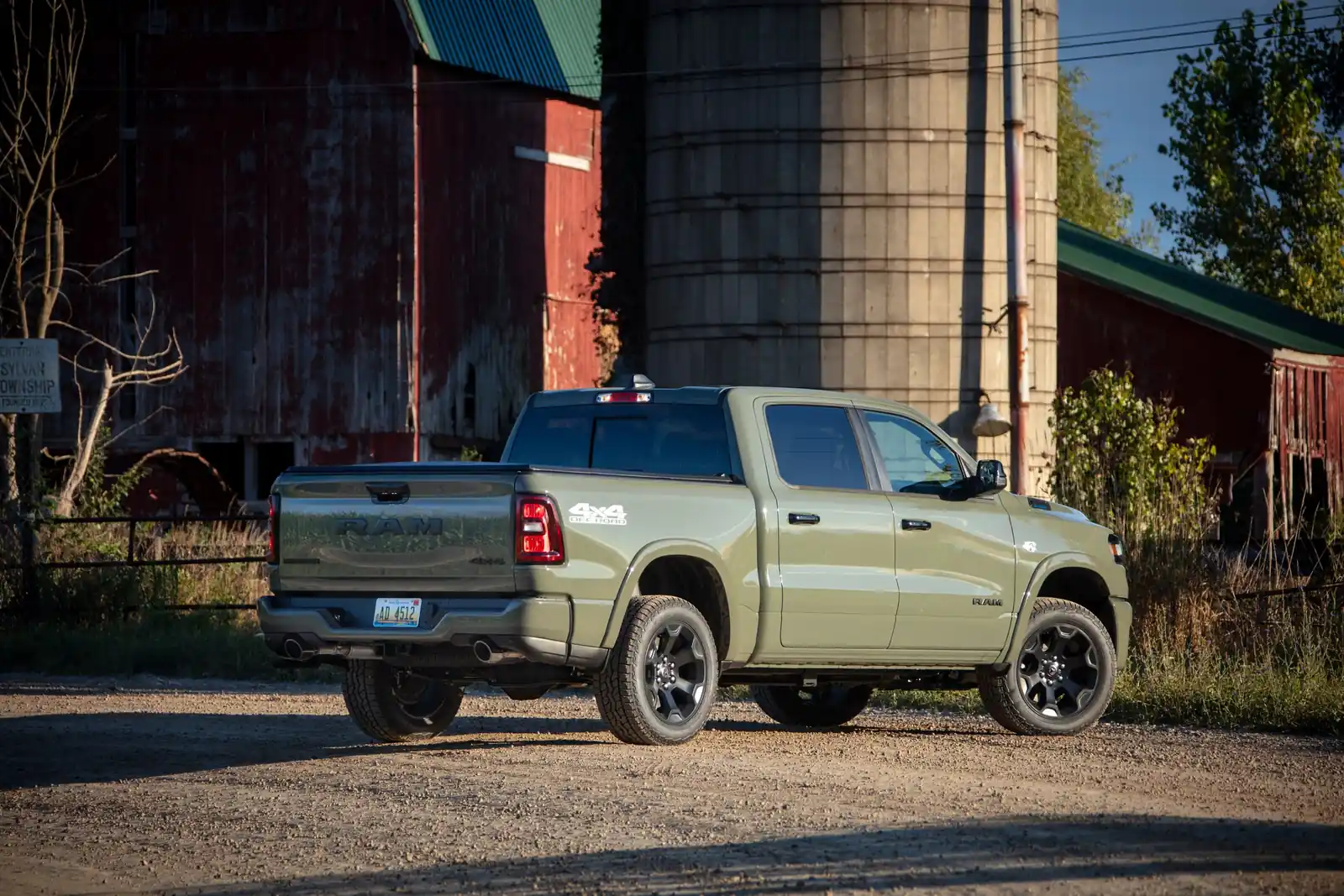
Nine extra inches of box is worth more out here than most buyers assume, because it is nine inches at exactly the length where things stop fitting.
A sheet of plywood, a stack of two by tens, a sled, a quad, a pallet of shingles, deck boards. The 5 foot 7 box handles all of it with the tailgate down and a strap, and that is genuinely fine. The 6 foot 4 box handles more of it with the tailgate closed, and after a winter of loading in the dark with your gloves on, the closed tailgate is the part you appreciate.
Here is the thing the size charts bury. The Quad Cab with the 6 foot 4 box is 5,814 mm long. The Crew Cab with the 5 foot 7 box is 5,916 mm. So the Quad Cab gives you the bigger box in a truck that is about four inches shorter overall. If your problem is a 20 foot garage in an older Portage or Winnipeg neighbourhood, or a tight farmyard turn, that combination is the one to look at, and almost nobody offers it to you unprompted.
Go the other way and the Crew Cab with the 6 foot 4 box is about 20 feet 2 inches of truck. It is a fantastic hauler and a genuine handful in a downtown parkade. We have had customers measure the garage after delivery instead of before, and that is an expensive way to learn a number. Measure first. Better yet, bring the tape measure to the lot and check a real one against your own numbers, because the trucks in our new Ram 1500 inventory are sitting right here to be measured.
What Cab Actually Does to Payload and Towing
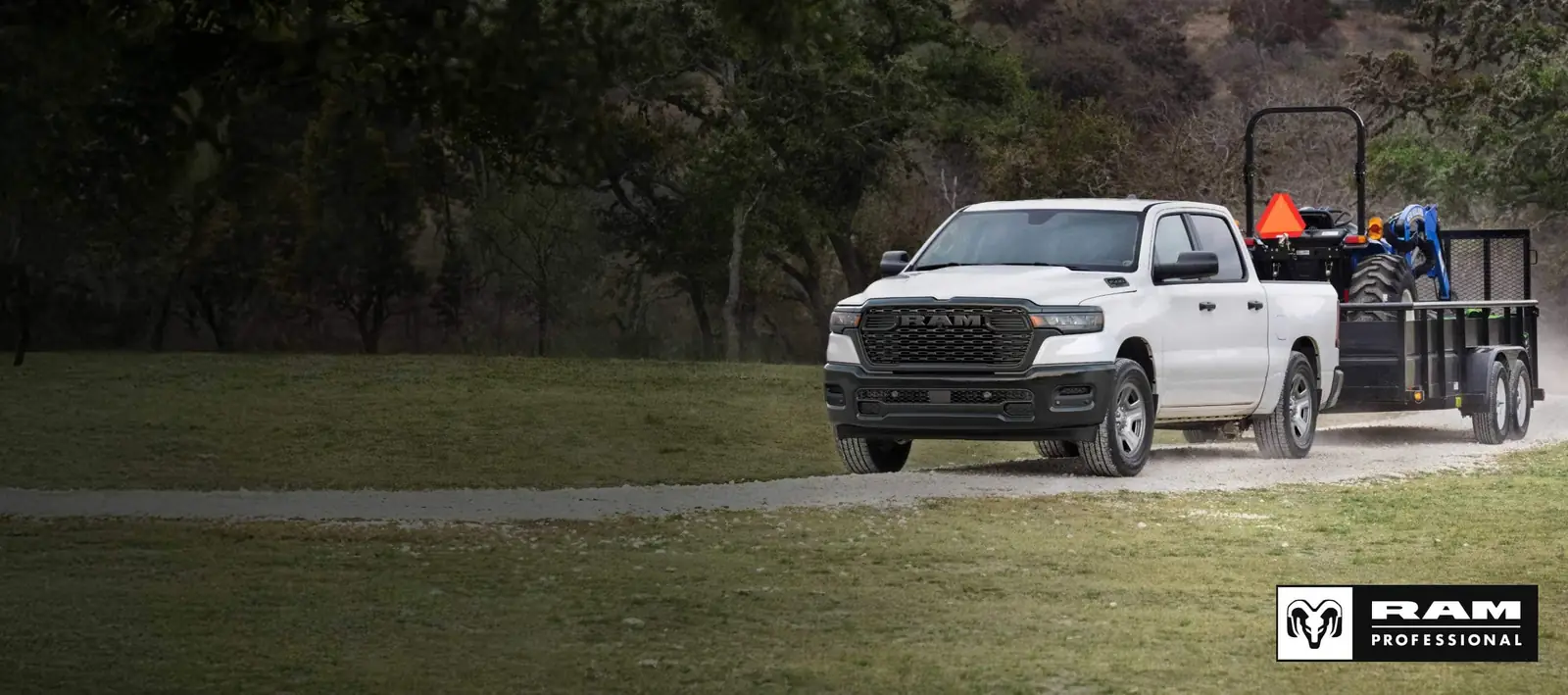
People expect this gap to be enormous. It is not, and knowing that saves you from buying the wrong cab for the wrong reason.
Take the 3.0 litre Hurricane Standard Output in 4x4, straight off the official 2026 payload sheet:
| Configuration | Payload |
|---|---|
| Quad Cab, 6 foot 4 box | 1,910 lb |
| Crew Cab, 5 foot 7 box | 1,840 lb |
| Crew Cab, 6 foot 4 box | 1,750 lb |
Now towing, same engine, 4x4, with the 3.92 axle:
| Configuration | Max trailer |
|---|---|
| Quad Cab, 6 foot 4 box | 11,370 lb |
| Crew Cab, 5 foot 7 box | 11,200 lb |
| Crew Cab, 6 foot 4 box | 11,220 lb |
So the Quad Cab is the capability leader, but by about 160 lb of payload and about 170 lb of trailer. The truck's absolute ceilings do live in the Quad Cab. Maximum payload for 2026 is 2,360 lb, on the 3.6 litre Pentastar V6 eTorque, Quad Cab, 6 foot 4 box, 4x2, at a 7,200 lb gross vehicle weight rating. Maximum trailer weight is 11,610 lb, on the Hurricane Standard Output, Quad Cab, 6 foot 4 box, 4x2, with the 3.92 axle.
Read those two lines carefully and you will notice the ceilings belong to very specific trucks, most of them two wheel drive, which is not what most people buy here. Engine and axle ratio swing these numbers far harder than cab does. The same Hurricane rates around 8,270 lb with a 3.55 axle and over 11,000 lb with the 3.92. If capability is your question, our Ram 1500 towing capacity guide and the full payload chart have every configuration.
One more thing that matters more than the cab argument: payload and towing maximums are mutually exclusive. Tongue weight comes out of payload, so a 7,000 lb trailer spends about 700 lb of your capacity before anyone climbs in. Choosing a Quad Cab to claw back 160 lb and then loading four adults into it is solving the wrong problem.
The Honest Call
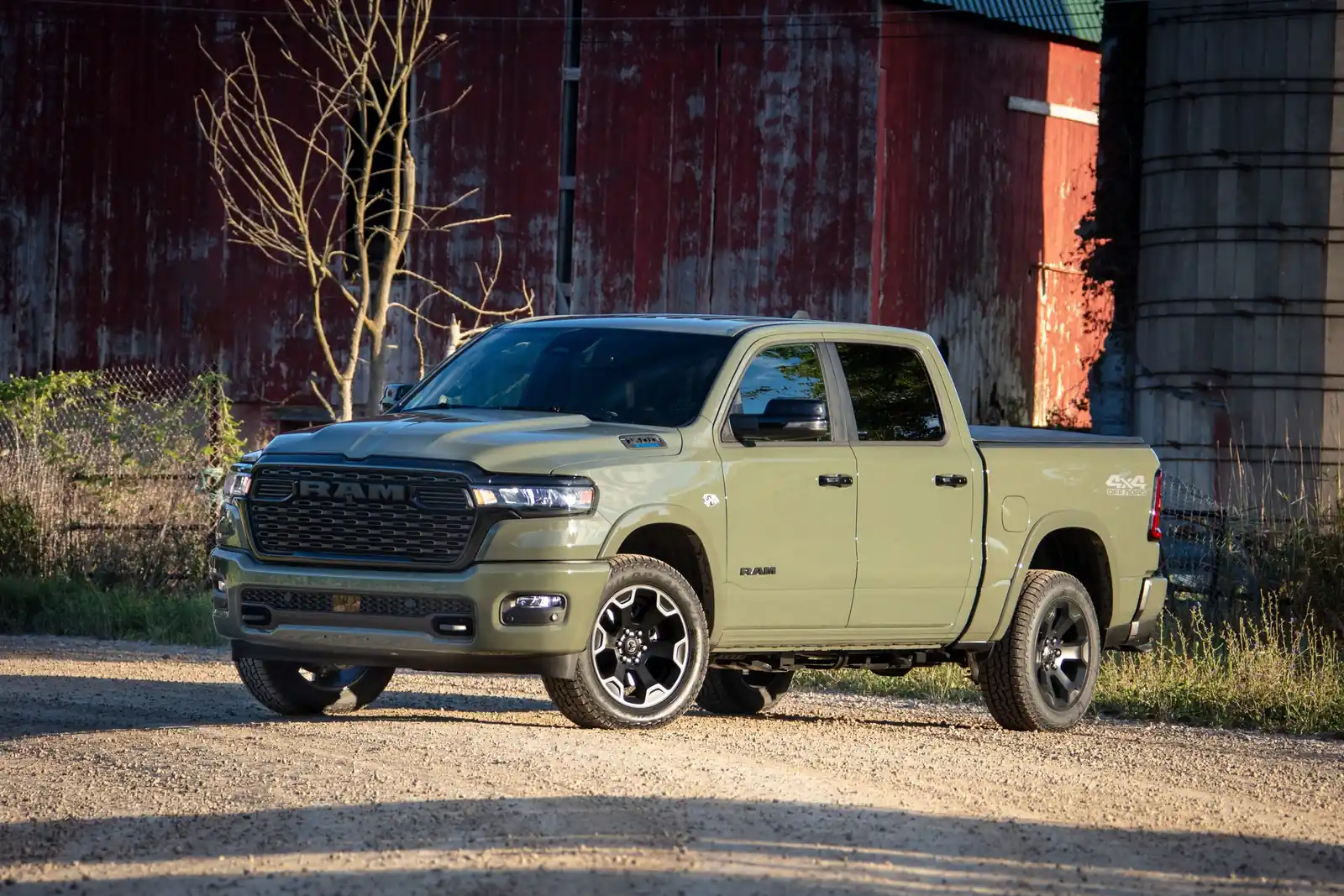
Buy the Crew Cab if people ride in the back with any regularity. Kids in car seats, a hockey team, crew to a job site, in laws to the lake. The nine inches of rear legroom is the single largest usable difference between these two trucks, and no amount of box length makes up for a back seat nobody wants to sit in. If you are hauling as well as hauling people, the Crew Cab with the 6 foot 4 box exists, you just accept 20 feet of truck.
Buy the Quad Cab if the back seat is mostly for tools, a toolbox and the occasional short trip with a passenger. You get the 6 foot 4 box standard, the highest payload and tow ratings in the lineup, a shorter, easier truck to park and turn, and typically a lower cost of entry for equivalent equipment. It is a genuinely good work truck and it is underrated by buyers who default to the crew cab because everyone else did.
The tiebreaker nobody mentions: resale. Around here the crew cab is what the used market wants, and it moves faster. That is not a reason to buy a cab you do not need, but it is a real factor if you trade every three or four years. If you want to see what your current truck is worth against either build, start with our instant cash offer tool, and there is usually a good low kilometre crew cab in our used inventory if a new order does not suit the timing.
Every new Ram 1500 we sell carries the Eh+ value stack, including the maintenance plan and zero dealer fees, and once it is yours you can book service with us when it comes due.
FAQs
What is the difference between a Ram 1500 Crew Cab and a Quad Cab?
Both have four doors. The Crew Cab has full size rear doors and a much larger rear seat area, with published second row legroom in the mid 40 inch range against roughly 36 inches for the Quad Cab. The Quad Cab is offered only with the 6 foot 4 box, while the Crew Cab is offered with either the 5 foot 7 box or the 6 foot 4 box.
Which Ram 1500 cab has more legroom in the back?
The Crew Cab, by close to nine inches. Ram lists the Crew Cab second row with a class exclusive 8 degree recline, a flat load floor and expandable under seat storage, and claims best in class second row legroom. Published legroom figures for the Crew Cab vary slightly by source, so ask us for the exact number on the build you want.
Is the Quad Cab big enough for car seats?
It can work, but it is tight, and Manitoba keeps children in boosters until they reach 145 cm, 36 kg or nine years old. If two car seats or boosters are going in the back for years, the Crew Cab is the right answer.
Does the Crew Cab tow less than the Quad Cab?
Slightly. On the Hurricane Standard Output in 4x4 with the 3.92 axle, the Quad Cab rates 11,370 lb and the Crew Cab with the short box rates 11,200 lb. That is about 170 lb of difference. Engine and axle ratio change the number far more than cab does.
Which Ram 1500 has the highest payload?
The Quad Cab with the 6 foot 4 box. The 2026 maximum is 2,360 lb, on the 3.6 litre Pentastar V6 eTorque, Quad Cab, 4x2, at a 7,200 lb gross vehicle weight rating. Most 4x4 configurations rate meaningfully lower, so check the chart for your exact build.
Is a Quad Cab shorter than a Crew Cab?
Yes, and by more than people expect. A Quad Cab with the 6 foot 4 box is 5,814 mm (228.9 in) overall, which is shorter than a Crew Cab with the 5 foot 7 box at 5,916 mm (232.9 in). You get the bigger box in the shorter truck.
The Bottom Line
The cab is the one decision on a Ram 1500 order you cannot undo, and it comes down to a simple question: does this truck haul people or does it haul gear. Haul people and the Crew Cab wins on the only number that really separates them, the nine inches of rear legroom. Haul gear and the Quad Cab hands you the longer box in the shorter truck with the best payload and tow ratings in the lineup, and it deserves more buyers than it gets.
Numbers only take you so far here. Sit in the back seat of both with your own car seat in your hands and the decision makes itself in about a minute. Come see what is on the ground in our new Ram 1500 inventory, or read up on the trims first with our Ram 1500 Big Horn breakdown, and we will tell you honestly which cab fits your life instead of which one is on the lot.
Tyler Dunn, Dunn Ram Trucks, Portage la Prairie