The message pops up on the cluster somewhere between town and the lake: Exhaust Filter 80% Full, Safely Drive at Highway Speeds to Remedy. If you have never seen it before, it reads like a warning that something broke. It is not. It is the truck telling you its exhaust filter needs a cleaning cycle and asking you to help. What you do in the next hour decides whether this costs you nothing or becomes a service visit. Here is what is actually happening under the box, straight from how the system is designed to work, and if your truck is already past the polite messages, book with our diesel service department and we will sort it properly.
Key Takeaways
- The DPF is a soot trap, and regeneration is how it empties itself. The diesel particulate filter catches soot from the exhaust, then burns it off at high temperature. That burn off is called regeneration, and on a healthy truck it happens on its own without you noticing.
- The 80% message is a request, not a breakdown. When the filter reaches 80% capacity, the cluster asks you to drive at highway speeds. Ram's guidance is that roughly 45 minutes of highway driving lets the system clean the filter and return to normal.
- Short trips are the cause, not a defect. Regeneration needs sustained exhaust heat. A truck that only ever runs ten minutes to town never gets hot enough, so soot builds until the message appears.
- Do not ignore the escalation. If the messages progress to See Dealer Now or Power Reduced, regeneration has been disabled or the filter is overfull, and continuing to drive risks real damage. That stage is a service visit, not a highway run.
- Never delete it. Emissions tampering is illegal in Canada, kills the warranty, and fails inspections. A properly driven and maintained DPF system does its job for a long life.
What the DPF Actually Does
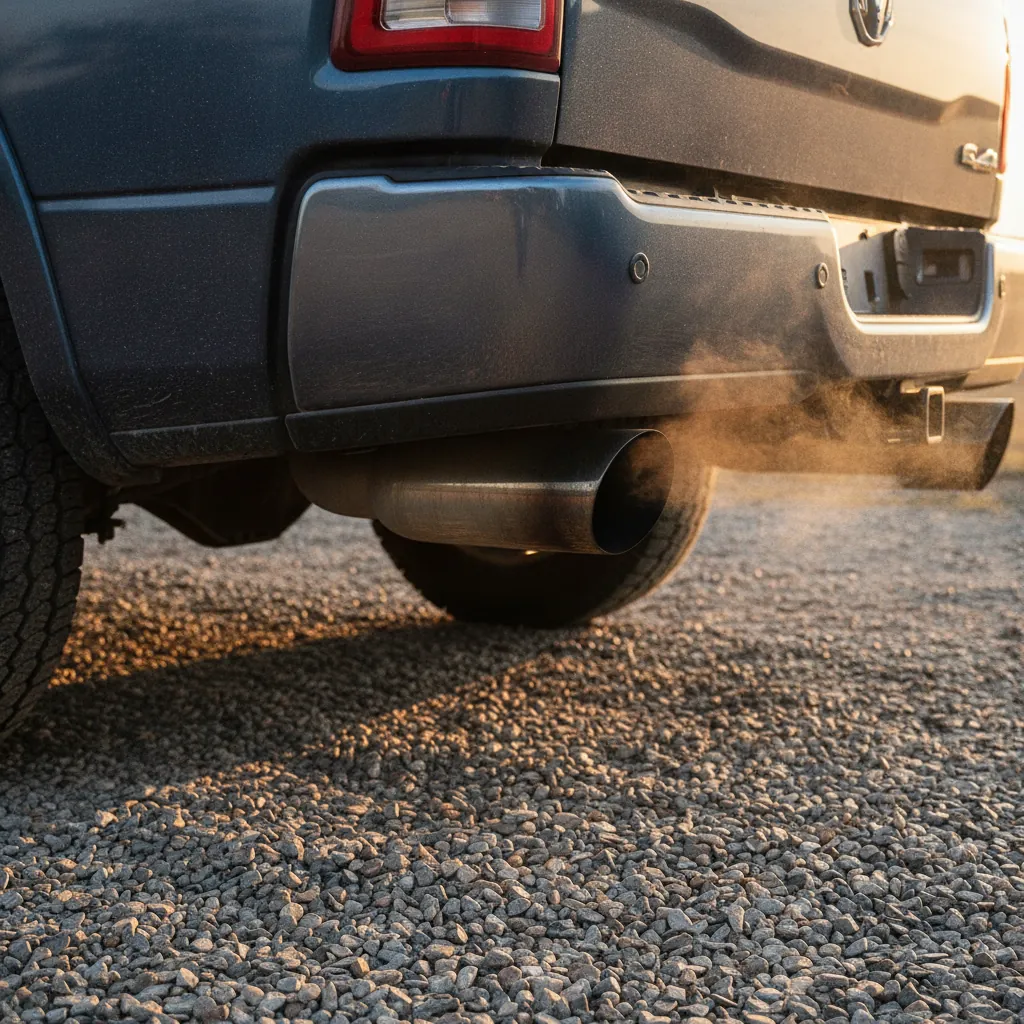
Every modern diesel pickup, the Ram 2500 and 3500 Cummins included, runs its exhaust through a diesel particulate filter. The filter physically traps the soot particles a diesel produces so they never reach the air. It works, and it is why a modern Cummins does not leave the black cloud an old diesel did.
But a trap fills. So the system is designed to burn the collected soot off, turning it to a small amount of ash, in a process called regeneration. There are two flavours worth understanding:

Passive regeneration happens invisibly whenever the truck works hard enough. Highway runs and towing put exhaust temperatures naturally high enough that the soot burns off as fast as it collects. A Cummins that pulls a trailer down Highway 1 regularly may never show you a filter message in its life.
Active regeneration is what happens when the driving has not been hot enough. The engine deliberately raises exhaust temperature to burn the filter clean, using extra fuel to do it. This also happens automatically. Your only job is not to interrupt the conditions it needs, which is where the messages come in.
The Messages, In the Order You Might See Them
The Ram owner's manual lays out a clear ladder for the Cummins DPF system, and knowing where you are on it tells you what to do.

Exhaust Filter XX% Full, Safely Drive at Highway Speeds to Remedy. This appears when the filter hits 80% of capacity. The fix is exactly what it says: get the truck onto the highway and let it run. Ram's published guidance is that as little as 45 minutes at highway speeds lets the system clean the filter itself. Around here that is one honest run down the Trans Canada and back.
Exhaust System Regeneration In Process, Exhaust Filter XX% Full. The truck is actively cleaning the filter. The manual's instruction is to maintain your current driving conditions until it completes. In plain terms, keep driving, do not pull over and shut it off if you can reasonably avoid it. Cutting the cycle short repeatedly is how a filter creeps toward full.
Exhaust System Regeneration Completed. A single chime, the truck is done, carry on. Nothing to do.
Exhaust Service Required, See Dealer Now. Different story. Regeneration has been disabled because of a malfunction, and the check engine light will be on. The truck cannot clean itself in this state, so highway driving no longer fixes it. This is a dealer visit, promptly, to prevent damage to the exhaust system.
Exhaust Filter Full, Power Reduced, See Dealer. The filter is overfull and the truck has cut its own power to protect itself. At this point the filter needs dealer service. Do not try to outrun this one on the highway.
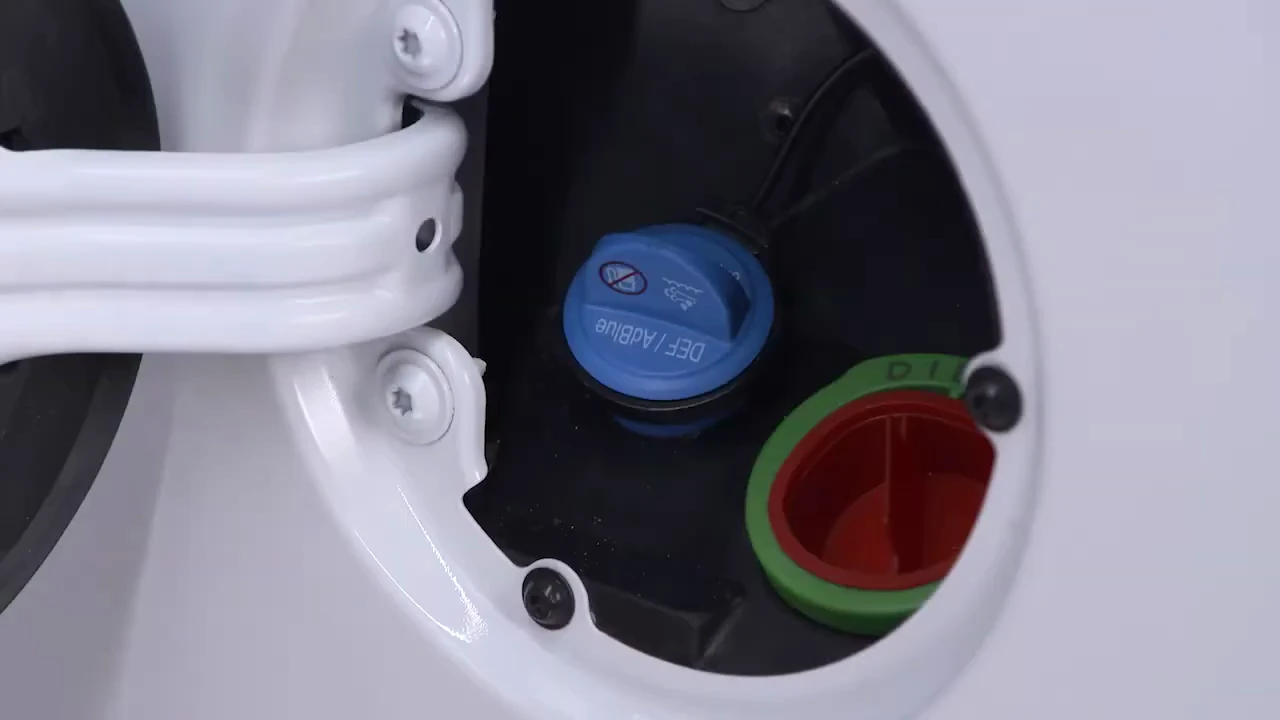
One more connection the manual makes that surprises people: oil changes are part of this system. Ignoring the oil change indicator can prevent the filter from cleaning properly, and that path also ends in a check engine light and reduced power. The maintenance schedule is not separate from the DPF. It is part of it. That is also true of the rest of the emissions system, including DEF, which we covered separately, and the fuel filters and their change interval.
The Manitoba Pattern That Fills a Filter
The trucks that show up with filter messages are almost never the ones that work hardest. They are the ones that work shortest. A Cummins that does a ten minute run to the shop, idles while you load, and does ten minutes home never builds the sustained exhaust heat regeneration needs. Winter makes it worse, because a cold start at 25 below spends the whole short trip just warming up, and extended idling to keep the cab warm adds soot without adding heat.
None of that is a defect. It is a heavy duty diesel being asked to live like a grocery car. If your weeks look like that, two habits keep the message away: give the truck one genuine highway run each week, and when the 80% message does appear, treat it as your cue that day, not eventually. And honestly, if the truck never tows and never leaves town, that is worth an honest conversation about whether the gas HEMI heavy duty fits the use better. We will tell you straight either way.
On deletes, briefly. Removing or defeating the DPF is illegal emissions tampering in Canada, it voids the emissions warranty, and provinces are actively tightening inspection and enforcement around it. It also solves a problem that correct driving and maintenance solve for free. We do not do them, and we do not recommend them.
If the truck is already at See Dealer Now, at reduced power, or just showing filter messages more often than it used to, our service centre has the Cummins diesel techs and the tooling to diagnose whether it is habits, a sensor, or something upstream, and to perform a proper stationary regeneration when one is called for.
FAQs
What does Exhaust Filter 80% Full mean on my Ram Cummins?
The diesel particulate filter has reached 80% of its soot capacity and the truck is asking for highway driving so it can clean itself. Roughly 45 minutes at highway speeds is Ram's guidance. It is not a breakdown, but do not put it off.
Can I shut off my truck during a DPF regeneration?
The manual's instruction while a regeneration is in process is to maintain your driving conditions until it completes, and the truck will chime when done. If you must stop, the truck will finish another time, but repeatedly interrupting cycles is how filters creep toward full. When the message is up, let it finish.
How often does a Cummins do a DPF regeneration?
There is no fixed interval, because it depends entirely on how the truck is driven. Highway and towing use may clean the filter passively without you ever seeing a message. Short trip town use can bring the message on regularly. The pattern is the schedule.
Does DPF regeneration use more fuel?
Active regeneration uses extra fuel to raise exhaust temperature, so a truck stuck in a short trip cycle pays a small fuel penalty on top of the inconvenience. A truck that regenerates passively on the highway barely notices.
Is deleting the DPF worth it?
No. It is illegal emissions tampering in Canada, it voids the emissions warranty, and inspection and enforcement keep tightening. A Cummins that gets real highway time and stays on its maintenance schedule keeps its filter happy without any of that risk.
The Bottom Line
The DPF message ladder is the truck telling you exactly what it needs, in order: drive me on the highway, let me finish, all done, and, if things have gone further, bring me in. Read the message, do what it says, keep the oil changes on time, and give a town truck one real highway run a week. That is the whole discipline, and it is free. When the ladder gets past the polite rungs, that is what we are here for. Book the truck in and our diesel techs will get the filter, and whatever caused it, sorted properly.
Tyler Dunn, Dunn Ram Trucks, Portage la Prairie