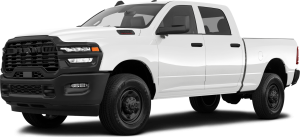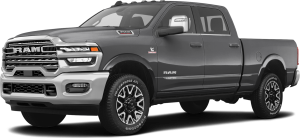
The short answer is that the right tire pressure for your Ram 1500 is printed on a sticker on the driver's door opening, and it is almost never the number on the tire. That sounds too simple to need a whole post, but the reason people ask is that the two numbers disagree, the light comes on every October, and nobody is sure whether to fill to the sidewall, the sticker, or somewhere in between when the bed is loaded.
This is the version we give across the service counter. Which number is the authority, what cold inflation actually means, why the light comes on the first cold week of fall in Manitoba, and what to do when you load the truck or hook up a trailer. If you would rather we check and set them while the truck is in for something else, you can book service with us and it takes a few minutes.
Key Takeaways
- The placard is the authority. Ram's owner's manual puts the cold tire pressure on the driver's side B pillar or the rear edge of the driver's door. Transport Canada says the same: the recommended pressure is on the vehicle's tire information label, not the tire.
- The sidewall number is a maximum, not a target. Transport Canada's words: the maximum pressure on the sidewall is the pressure needed to carry the tire's maximum load, and it is generally not the manufacturer's recommended pressure for your vehicle.
- Cold means cold. Ram defines cold inflation pressure as the pressure after the truck has sat at least three hours or been driven less than 1.6 km. Check it in the driveway before work, not at the gas station after twenty minutes on the highway.
- The number drops with the temperature. Transport Canada's figure is about 1 psi for every 5 degree Celsius drop. From a 20 degree September afternoon to a minus 20 morning, that is roughly 8 psi gone with nothing wrong with the tire.
- Never go past the sidewall. Ram's manual says the cold inflation pressure must not exceed the maximum moulded into the sidewall, loaded or not.
Which Number Is the Authority
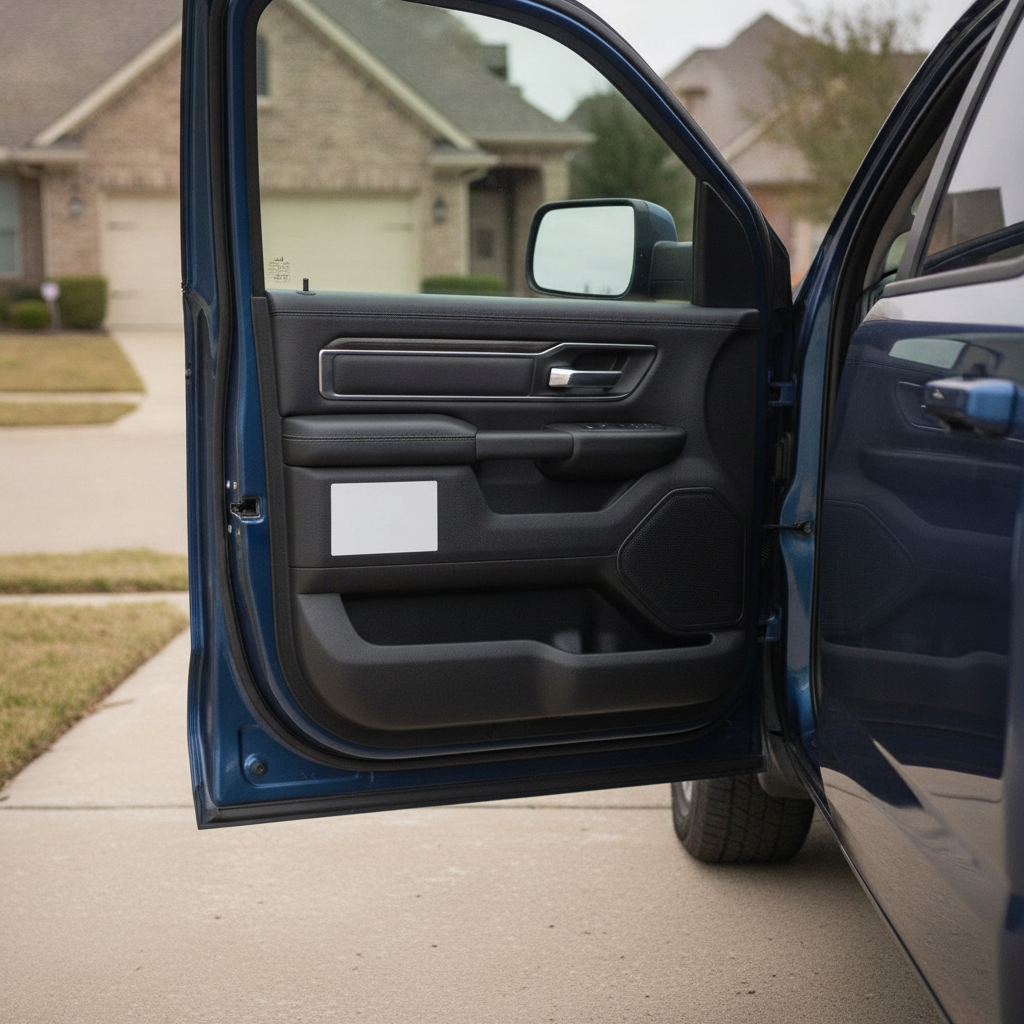
Every Ram 1500 leaves the factory with a Tire and Loading Information placard, and the owner's manual is direct about where it lives: the proper cold tire inflation pressure is listed on the driver's side B pillar or the rear edge of the driver's door. That placard lists the tire size the truck was built with and the cold pressure for each axle. On a lot of half tons the front and rear figures are the same, and on some they are not, so read both.
The number moulded into the tire sidewall is something else. Transport Canada explains it plainly: the maximum tire pressure on the sidewall is the pressure required to carry the maximum load of the tire, and it is generally not the same as the manufacturer's recommended pressure for your vehicle. The truck maker chose the placard number for the weight, handling and ride of that truck. The tire maker's number is a ceiling for that tire on any vehicle.
So the placard is the target and the sidewall is the limit. On most current half tons the placard number sits somewhere in the mid thirties, but your truck's own sticker is the only figure that matters. If the tires on the truck are not the size on the placard, because a previous owner changed them or you run a different winter set, that is a conversation to have with us, and our post on the Ram 1500 winter tire size covers the size side.
What Cold Inflation Means and When to Measure
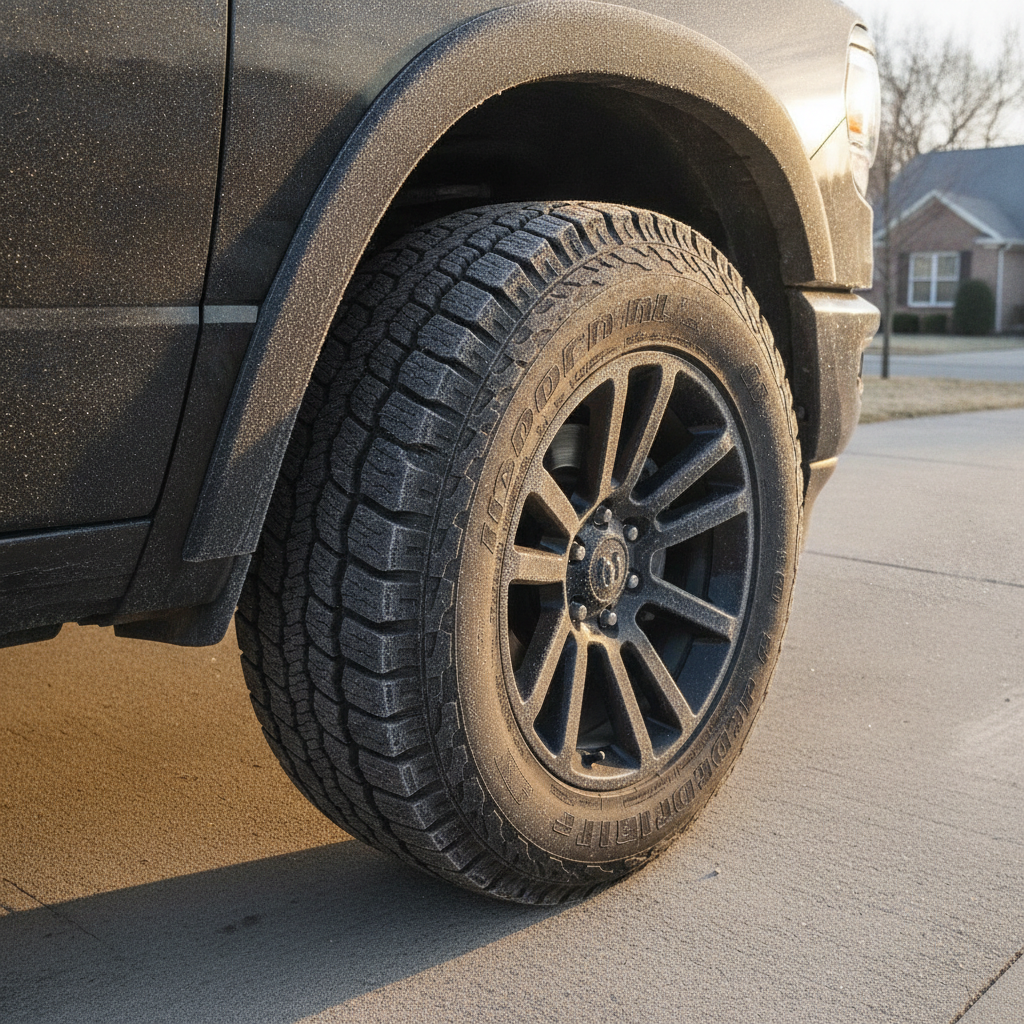
Air expands when it warms up, and a tire warms up as it rolls. That is why every pressure on the placard is a cold pressure. Ram's manual defines it: cold tire inflation pressure is the tire pressure after the vehicle has not been driven for at least three hours, or has been driven less than 1.6 km. Transport Canada's version is the same idea, three hours parked or no more than 2 km of driving.

In practice that means the right time to check is in the driveway before you leave in the morning, or at least an hour or two after the truck has been sitting at work. Checking at the gas station after a run in from the farm gives you a warm reading that can be several psi above the cold number, and if you bleed the tire down to the placard at that point, it will be low the next morning.
Use a gauge. Ram's manual says to check and adjust with a good quality pocket pressure gauge and not to make a visual judgement. A modern truck tire can be well under the placard and still look fine from the side. The truck's own display will show you each tire's pressure too, which is handy, but a gauge in the door pocket is still worth having.
Transport Canada also points out that tires lose pressure on their own, about 2 psi a month through the rubber, which is why a monthly check is the standard advice and a seasonal one is not enough.
Why the Light Comes On Every Fall
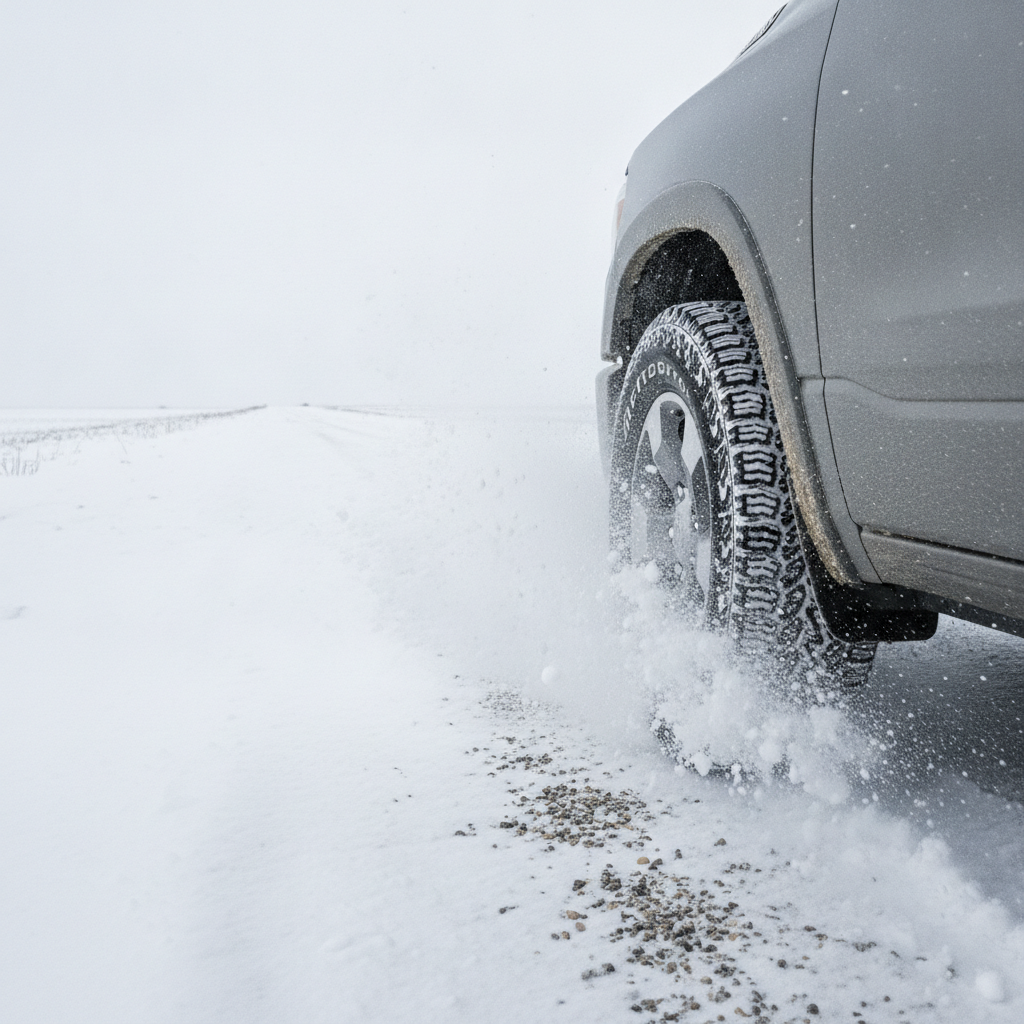
Here is the arithmetic that explains the October ritual. Transport Canada's figure is that tires lose about 7 kPa, or 1 psi, for every 5 degree Celsius drop in air temperature. Set your tires to the placard on a 20 degree afternoon in September, and by the first minus 20 morning in November the temperature has fallen 40 degrees and the tires have lost roughly 8 psi with nothing wrong with them. Add the 2 psi a month they lose anyway and a truck that was perfect at harvest is well under the placard by the time the snow flies.
That is when the tire pressure light comes on. The monitoring system on a modern truck is built to a North American standard that requires the warning when a tire is at or below 25 percent under the placard pressure. On a mid thirties placard that trigger sits somewhere in the mid to high twenties, which is exactly where a September fill lands after a hard cold snap. The light is not telling you a tire is failing. It is telling you the air got cold and the truck is now low enough to matter.
The fix is not to fill to the sidewall to buy yourself headroom. It is to check cold at the start of each cold snap and top up to the placard. We have a separate post coming on the warning lamp itself and what to do the morning it lights up, but the number to fill to is always the same one: the placard, measured cold.
Loading the Bed or Towing a Trailer
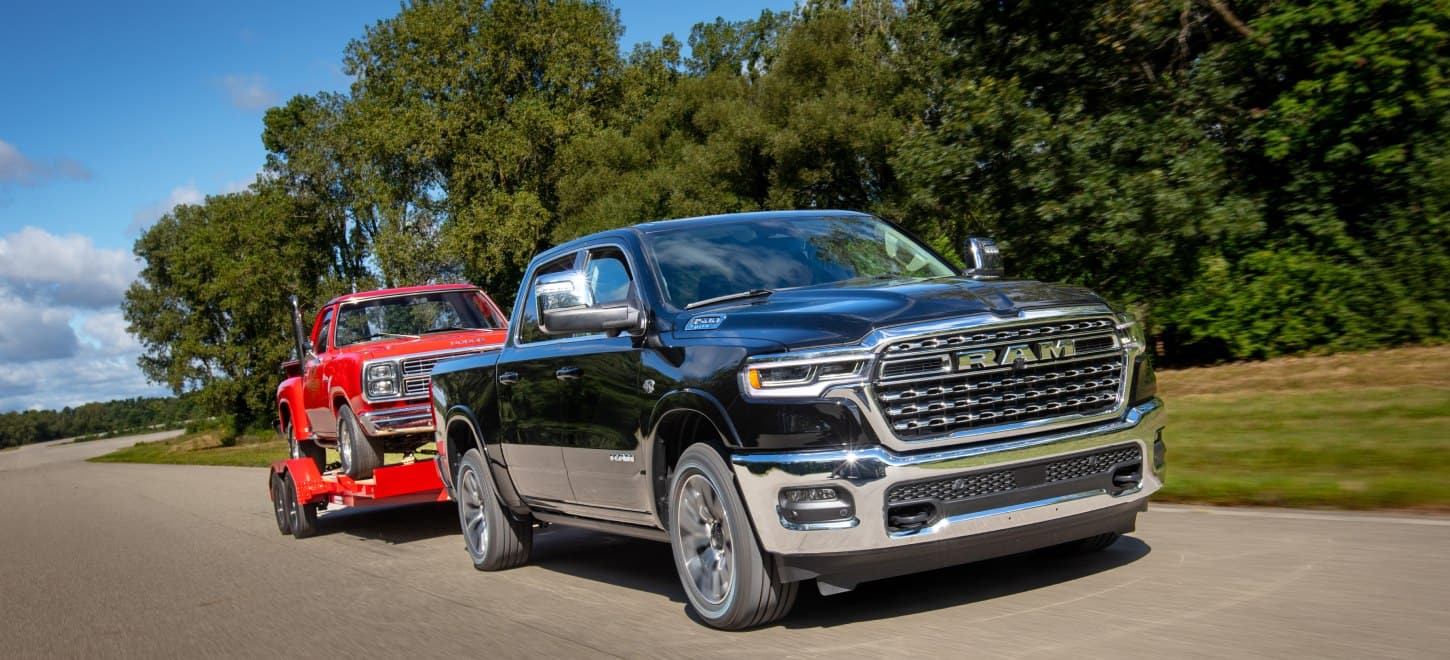
This is the question that gets the most wrong answers on the internet. The instinct when you load a pallet of shingles or hook up the camper is to add air. Here is how to think about it.
The placard pressure is set for the truck at its rated load. Transport Canada's point about the sidewall number, that it is the pressure for the tire's maximum load, tells you the other half: the placard figure already accounts for the truck carrying what it is rated to carry. If your placard lists a single cold pressure per axle, that number covers the truck up to its payload rating and you do not need to add air for a load inside that rating.
If your placard lists a separate, higher figure for a loaded condition, which some truck placards do, use that figure when the truck is loaded and go back to the normal figure when it is empty. Either way, the limit is the one Ram's manual states: the cold inflation pressure must not exceed the maximum moulded into the sidewall. Going past it does not make the truck safer with a load. It makes the tire ride on its centre, wears it faster, and gives up grip on a wet or icy road.
The other thing a load does is come out of payload, not out of the tow rating, and a full cab of people plus tongue weight uses that up faster than most people expect. Our post on Ram 1500 payload covers what the truck is actually rated to carry, and if you are shopping for a truck to tow with, our new Ram 1500 inventory lists what is on the ground.
The Rest of the Tire Routine
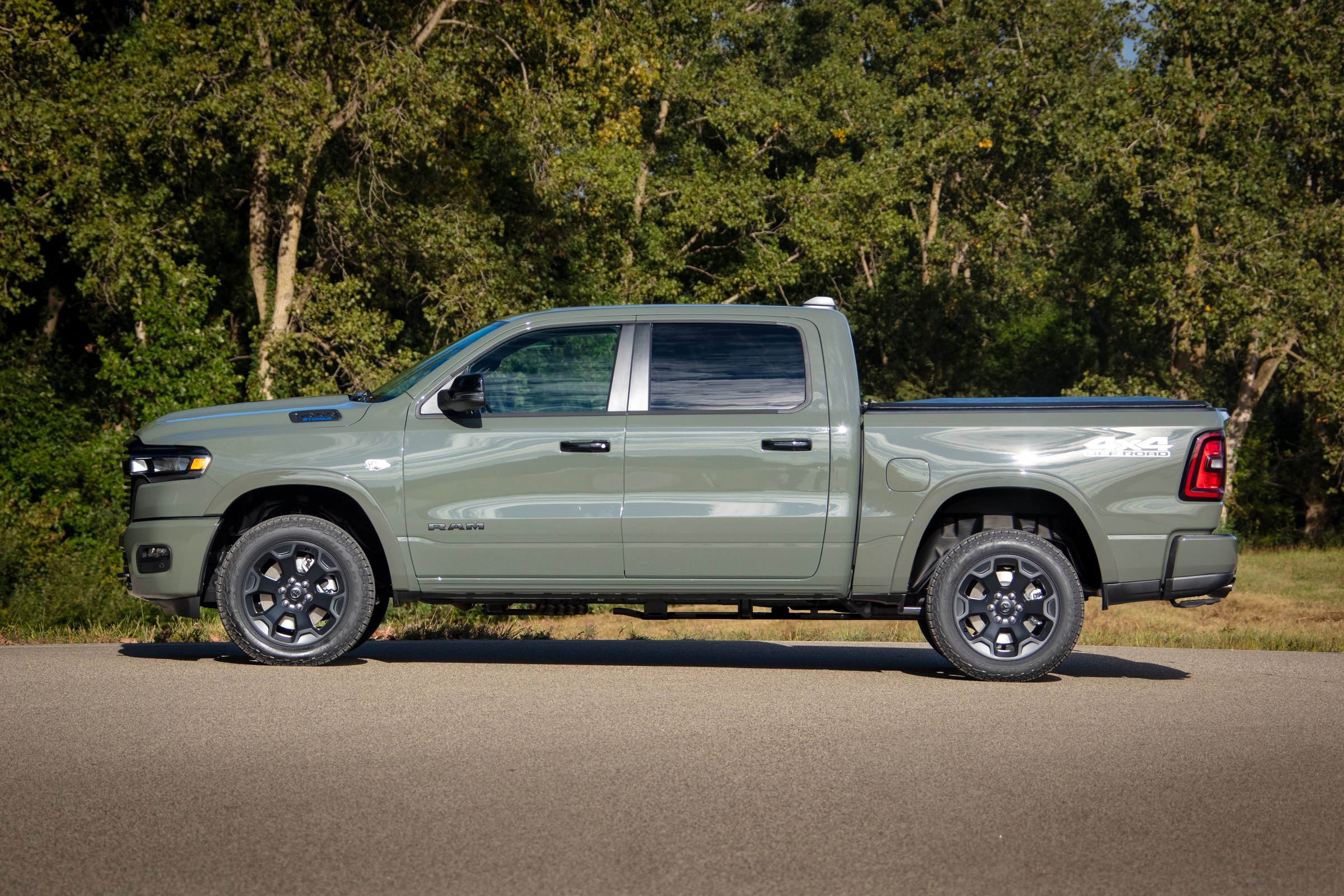
Pressure is the cheapest tire maintenance there is and it decides how long the set lasts. A few habits that go with it:
Check monthly, and at every cold snap. Transport Canada's 2 psi a month plus 1 psi per 5 degrees means the number is always drifting down.
Do not forget the spare. It is under the bed on a Ram 1500, it is easy to ignore for years, and a flat spare on a gravel road in January is a bad day.
Rotate on schedule. Even pressure across all four does not help if the fronts are wearing faster. Our post on how often to rotate tires in Manitoba covers the interval.
Watch for uneven wear. Wear on both shoulders points to running low. Wear on the centre points to running high. Wear on one shoulder is an alignment conversation, and our post on tire balancing vs alignment explains which is which.
Know when the set is done. Our post on when to replace truck tires covers tread depth and age.
If you would rather hand all of it to us, our service centre checks and sets pressures as part of a visit, and our parts department can set you up with a decent gauge and the right winter set.
FAQs
What psi should my Ram 1500 tires be?
The cold pressure printed on the Tire and Loading Information placard on the driver's side B pillar or the rear edge of the driver's door. That is the manufacturer's recommended number for your truck. The figure on the tire sidewall is a maximum, not a target.
Should I fill my truck tires to the number on the tire?
No. Transport Canada explains that the sidewall number is the pressure required to carry the tire's maximum load and is generally not the recommended pressure for the vehicle. Fill to the placard and never exceed the sidewall.
Why does my tire pressure light come on when it gets cold?
Tires lose about 1 psi for every 5 degree Celsius drop. A 40 degree swing from fall to winter takes roughly 8 psi out of a tire, and the warning is built to trigger when a tire is 25 percent under the placard. Check cold and top up to the placard.
Should I add air when I tow or load my Ram 1500?
If your placard lists one cold pressure per axle, that figure already covers the truck up to its payload rating. If it lists a separate loaded figure, use it when loaded. Never exceed the maximum on the sidewall.
When is a tire cold enough to check?
Ram's manual says after the truck has sat at least three hours or been driven less than 1.6 km. Morning in the driveway is the reliable time.
The Bottom Line
The number is on the door, not the tire. Set it cold, check it monthly and at every cold snap, expect it to fall about 1 psi for every 5 degrees the weather drops, and never chase the sidewall figure to buy headroom for a load. That is the whole of it, and it is the single cheapest thing you can do for how a Ram 1500 rides, stops and wears through a Manitoba year.
If you want us to check and set them, book service with us and we will do it while the truck is in.
Tyler Dunn, Dunn Ram Trucks, Portage la Prairie