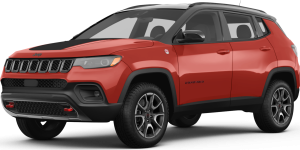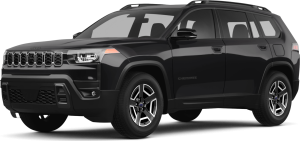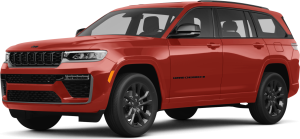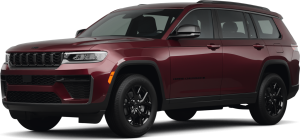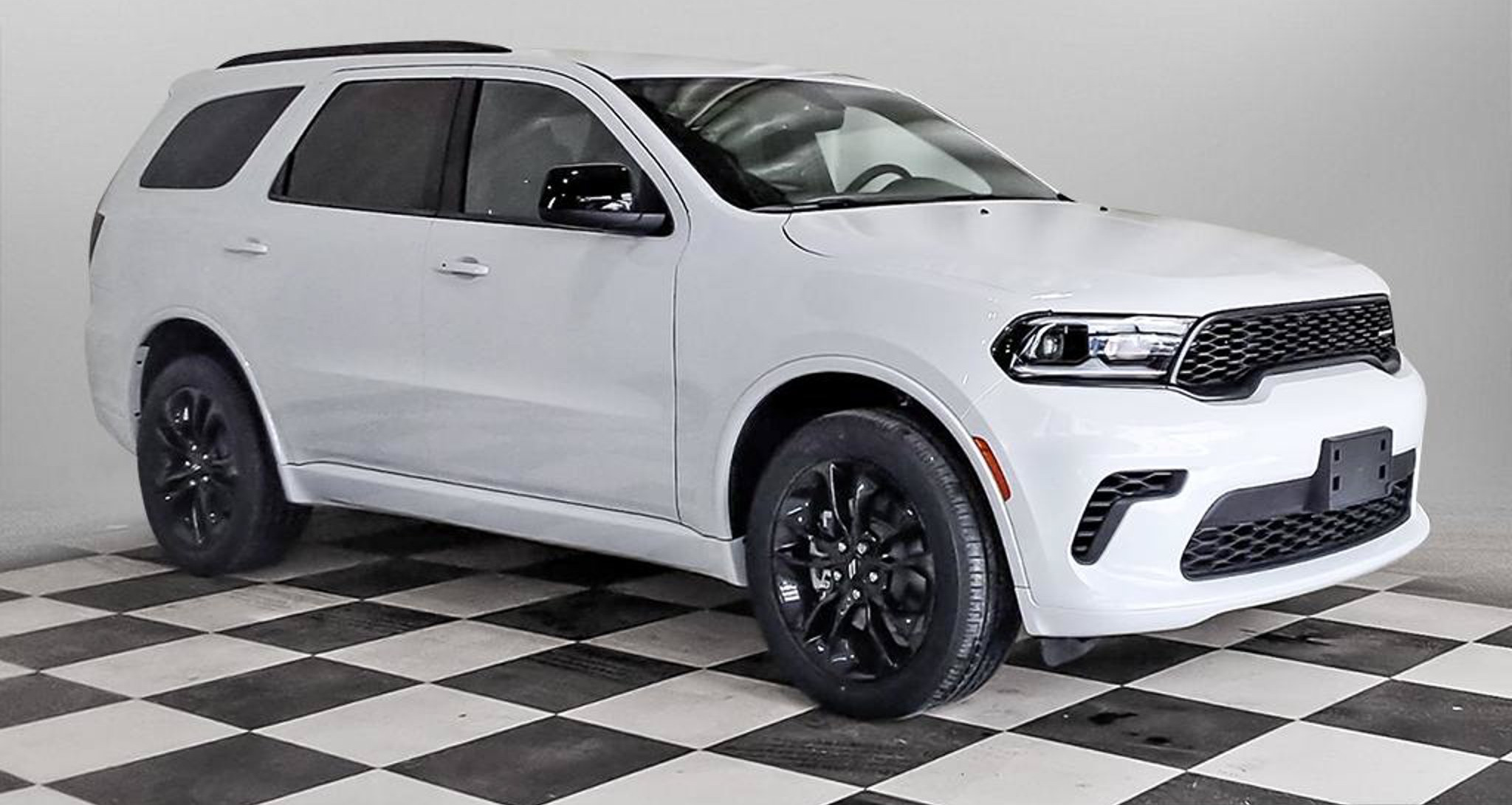
This is a cross shop that happens at our desk more than the comparison sites would suggest. A family with three kids, a travel trailer or a boat, and a long highway to the lake sits down with a Tahoe on one tab and a Durango on the other. The two are not the same kind of vehicle, and the honest way to compare them is to say so up front.
Shopping already? Browse our new Dodge Durango inventory in Portage la Prairie.
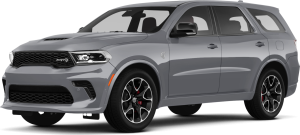
The Tahoe is the bigger box. It rides on a full size truck frame, its third row is the roomier one, and its cargo hold behind that row is bigger. The Durango is the sharper one to drive, it comes with all wheel drive as standard in Canada, and it is the one you can still buy with a HEMI V8. Which of those matters more depends on how you use the thing. You can look at the real units in our new Dodge Durango inventory while you read.
Key Takeaways
- The Tahoe wins on space. Kelley Blue Book lists it at 211.3 inches long on a 120.9 inch wheelbase, with 25.5 cubic feet behind the third row and seating for eight. It is the bigger family box, and that is the Tahoe's honest win.
- The Durango wins on engines and traction. Dodge Canada lists the 3.6 litre V6 at 295 horsepower and 260 lb ft, the 5.7 litre HEMI V8 at 360 horsepower and 390 lb ft, and all wheel drive as standard across the Canadian lineup.
- Towing is closer than people think, and the Durango's ceiling is higher. Dodge Canada lists up to 3,946 kg (8,700 lb) for the HEMI with the Tow N Go package. Kelley Blue Book lists the Tahoe at up to 8,000 lb on most trims.
- Every Durango photo on this page is a Durango. We sell Dodge, so we will describe the Tahoe fairly and let Chevrolet show you theirs.
- Pricing moves monthly. We are not printing a number for either. Check our current pricing on the Durangos on the ground.
The Short Answer
If you regularly carry seven adults or you need the biggest cargo hold you can get behind a third row, the Tahoe is the bigger vehicle and you should drive one. If you tow a camper or a boat, drive a lot of highway, want all wheel drive without paying extra for it, and would rather have a V8 and a vehicle that feels smaller than it is, the Durango is the better fit for most of the families we talk to.

The rest of this is the detail behind that.
Where the Tahoe Genuinely Wins
Being honest about the competitor is what makes the rest of this believable, so here is the Tahoe's case.
Size. Kelley Blue Book lists the 2026 Tahoe at 211.3 inches long on a 120.9 inch wheelbase, with 25.5 cubic feet of cargo room behind the third row. That third row is a real adult seat. The Durango's third row is fine for kids and for shorter adult trips, but it is not the Tahoe's third row.

Seating count. The Tahoe seats eight on most trims, and nine on the base LS with a front bench. The Durango seats seven.
Engines at the top. The Tahoe High Country runs a 6.2 litre V8 at 420 horsepower and 460 lb ft, per Kelley Blue Book. The standard 5.3 litre V8 makes 355 horsepower and 383 lb ft.
Newer platform. The current Tahoe is the more recent design of the two. If a new interior and the latest screen matter to you, drive both and decide with your own eyes.
That is the concession, and it is real. Now the other side.
Where the Durango Makes Its Case
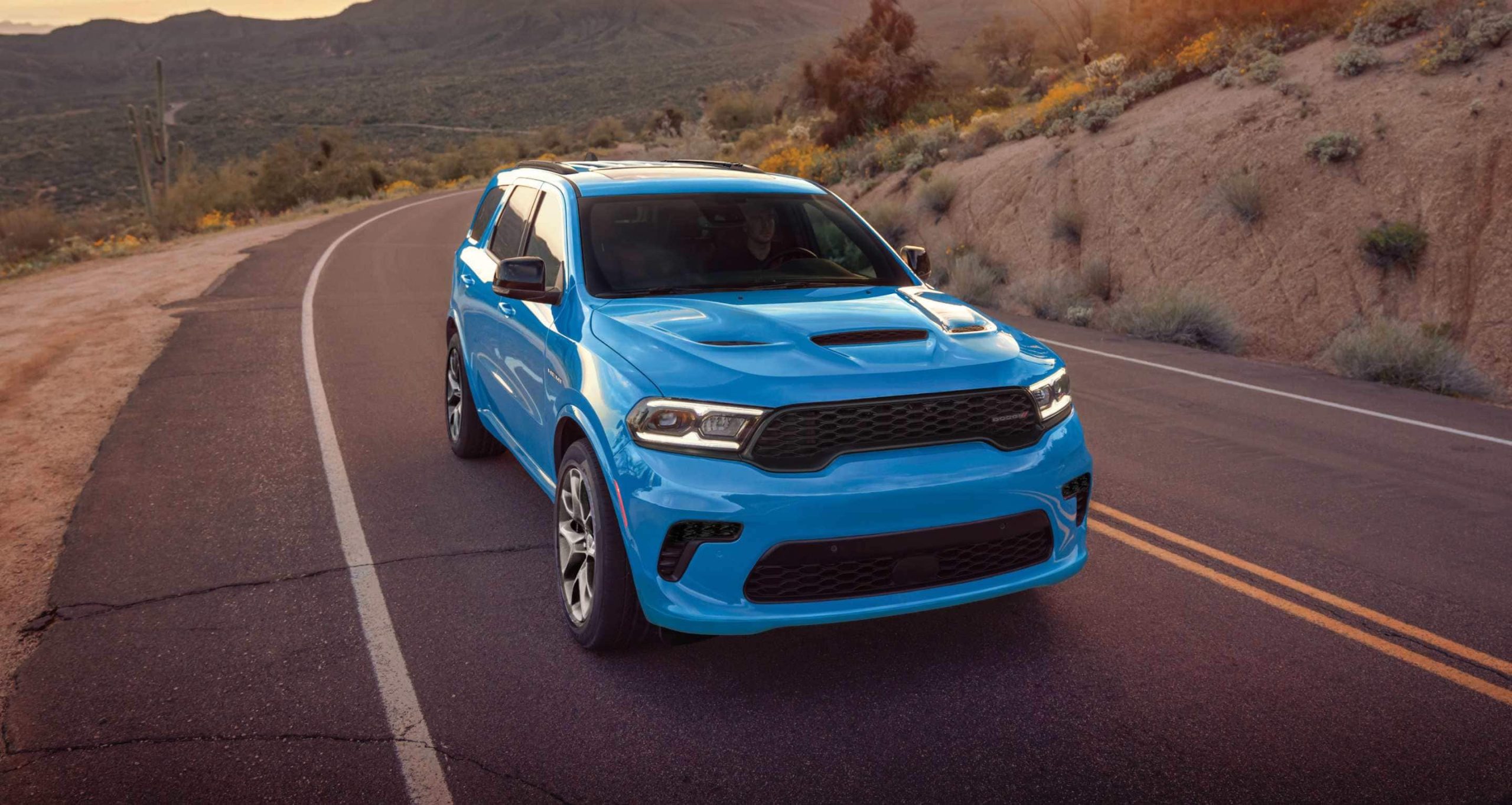
All wheel drive is standard in Canada. Dodge Canada lists all wheel drive as standard across the Durango lineup, with an eight speed automatic and paddle shifters. On a Manitoba highway in February that is not a feature, it is the baseline, and on the Durango you are not paying extra to get it.
The V6 does real work. The 3.6 litre Pentastar V6 at 295 horsepower and 260 lb ft tows up to 2,812 kg (6,200 lb) when properly equipped, per Dodge Canada. For a lot of families with a tent trailer or a small boat, that is the whole job done on the base engine.
The HEMI V8 is still on the menu. Dodge Canada lists the 5.7 litre HEMI at 360 horsepower and 390 lb ft on the GT HEMI V8 Plus and GT HEMI V8 Premium, with towing up to 3,266 kg (7,200 lb) and up to 3,946 kg (8,700 lb) with the Tow N Go package. If you want a V8 sound and a V8 pull in a three row, the Durango gives it to you without going to a full size truck.
It drives smaller than it is. The Durango is a unibody SUV with an SUV's steering and ride. The Tahoe is a body on frame truck underneath. Around a Winnipeg parkade, a school pickup loop, or a tight farmyard, the Durango is the one you will find easier to live with.
The extreme end exists. Dodge Canada still lists the SRT Hellcat with a supercharged 6.2 litre HEMI at 710 horsepower and 645 lb ft. Almost nobody cross shopping a Tahoe needs it, but it says something about what the platform can carry.
Our post on Dodge Durango towing capacity breaks the towing numbers down by engine and package.
Towing: The Number and the Reality
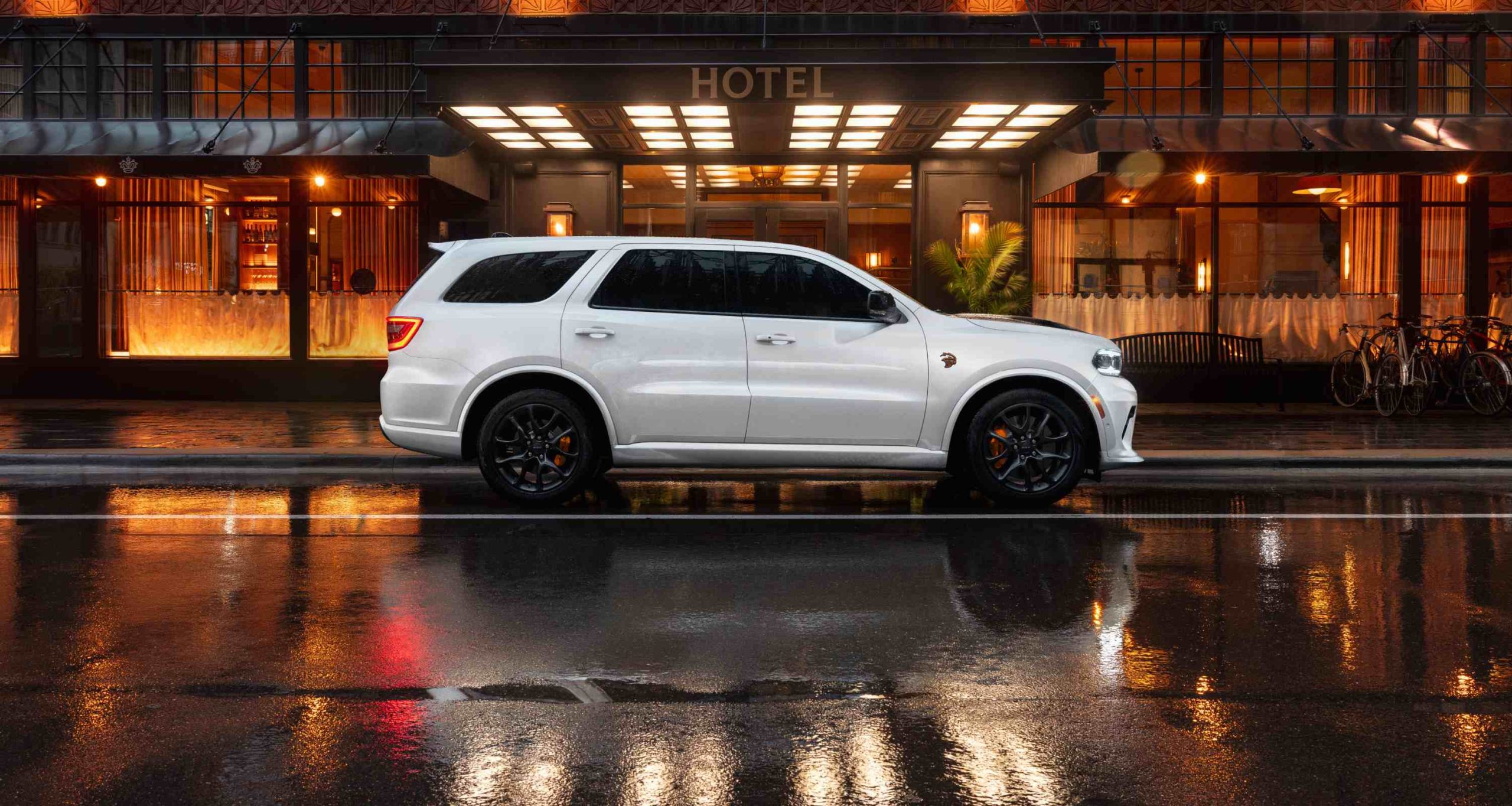
On paper the Durango's ceiling is the higher one. Dodge Canada's 8,700 lb figure for the HEMI with Tow N Go sits above the 8,000 lb Kelley Blue Book lists for most Tahoe trims. General Motors advertises a higher ceiling on one specific rear drive Tahoe build with its trailering package, so read the fine print on whichever configuration you are actually looking at.
The reality is that most families here tow well under either number. A 22 foot travel trailer, a fishing boat, a snowmobile trailer with two sleds on it. Both vehicles handle that. What decides it is how the vehicle feels doing it, and that is where the Durango's all wheel drive and its lower, tighter feel on a windy stretch of Highway 1 earn their keep. The Tahoe's longer wheelbase is a genuine plus for stability with a big trailer behind it, and we would not pretend otherwise.
Whatever you tow, the tongue weight comes out of payload, not the tow rating, and with a full third row that is the limit families hit first. We will run the real numbers for your trailer on the unit you are looking at.
The Third Row and the Cargo Hold
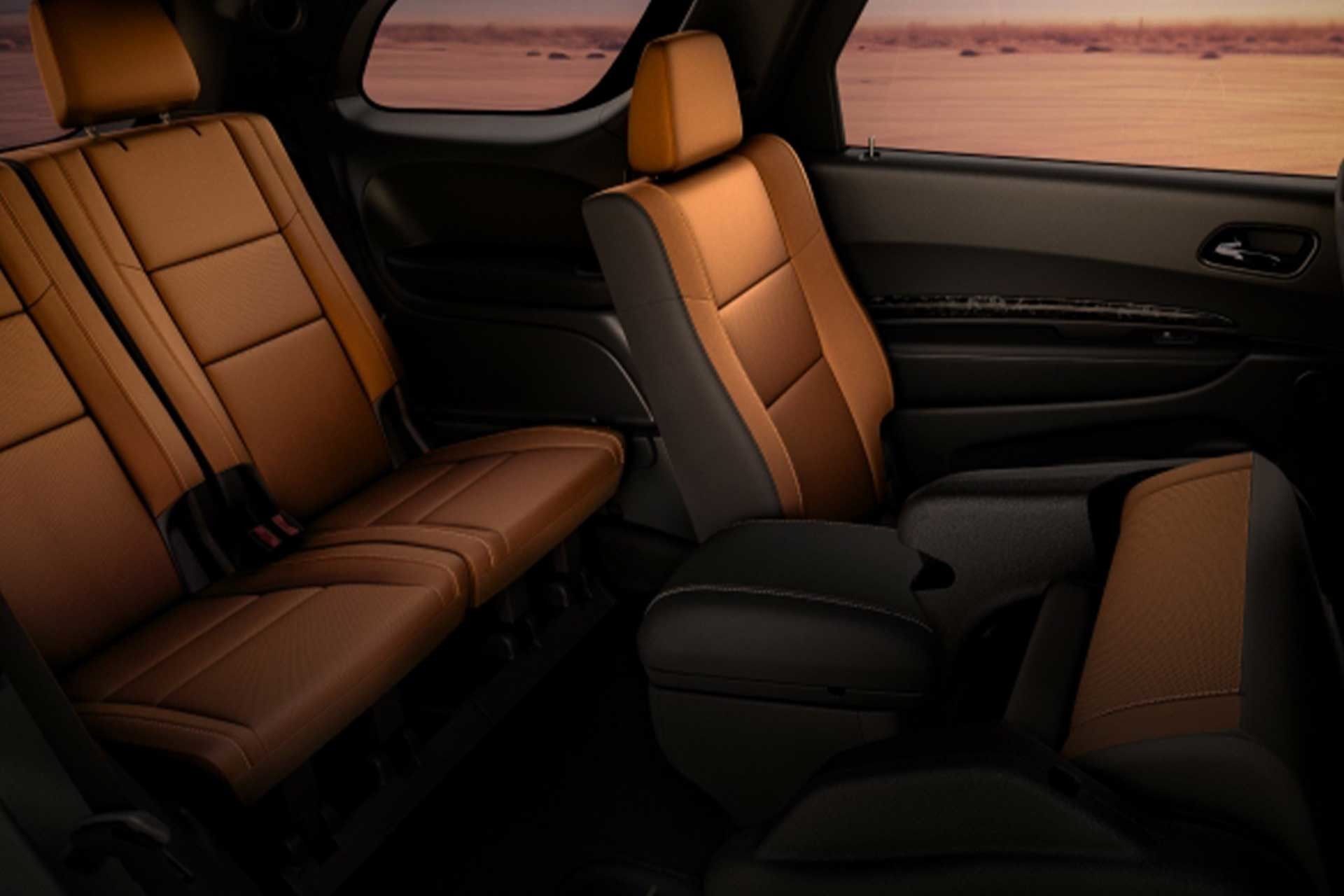
The Tahoe's third row is bigger. That is the plain fact and it is the reason a family that carries seven people regularly should drive one. Where the Durango answers is in how it uses its space. Dodge Canada lists up to 2,409.8 litres of maximum luggage volume with the rear seats folded, which is enough for the hockey bags, the camping gear and the dog on a long weekend. With the third row up, the Durango's hold is smaller than the Tahoe's, so if you tow the camper and fill the back at the same time, the Tahoe has more room.
For most families the honest question is how often the third row is actually up. If it is up twice a month for a carpool, the Durango's third row does that job. If it is up every day with teenagers in it, the Tahoe is the one to drive.
Price Position
The Durango generally sits at a lower price position than the Tahoe for a comparable engine and equipment level, and it includes all wheel drive where the Tahoe charges for four wheel drive. That is the shape of it, but incentives change on both every month, so we are not going to print a number that will be stale by the time you read this. Check our current pricing here for the most up to date pricing information.
Every new Durango we sell also carries Dunn's Eh+ value stack, so ask us how the current offer applies to the one you are looking at. If you are trading in, get a number first with our instant cash offer on your trade, and you can start the paperwork from home with our finance application.
Which One for a Manitoba Family
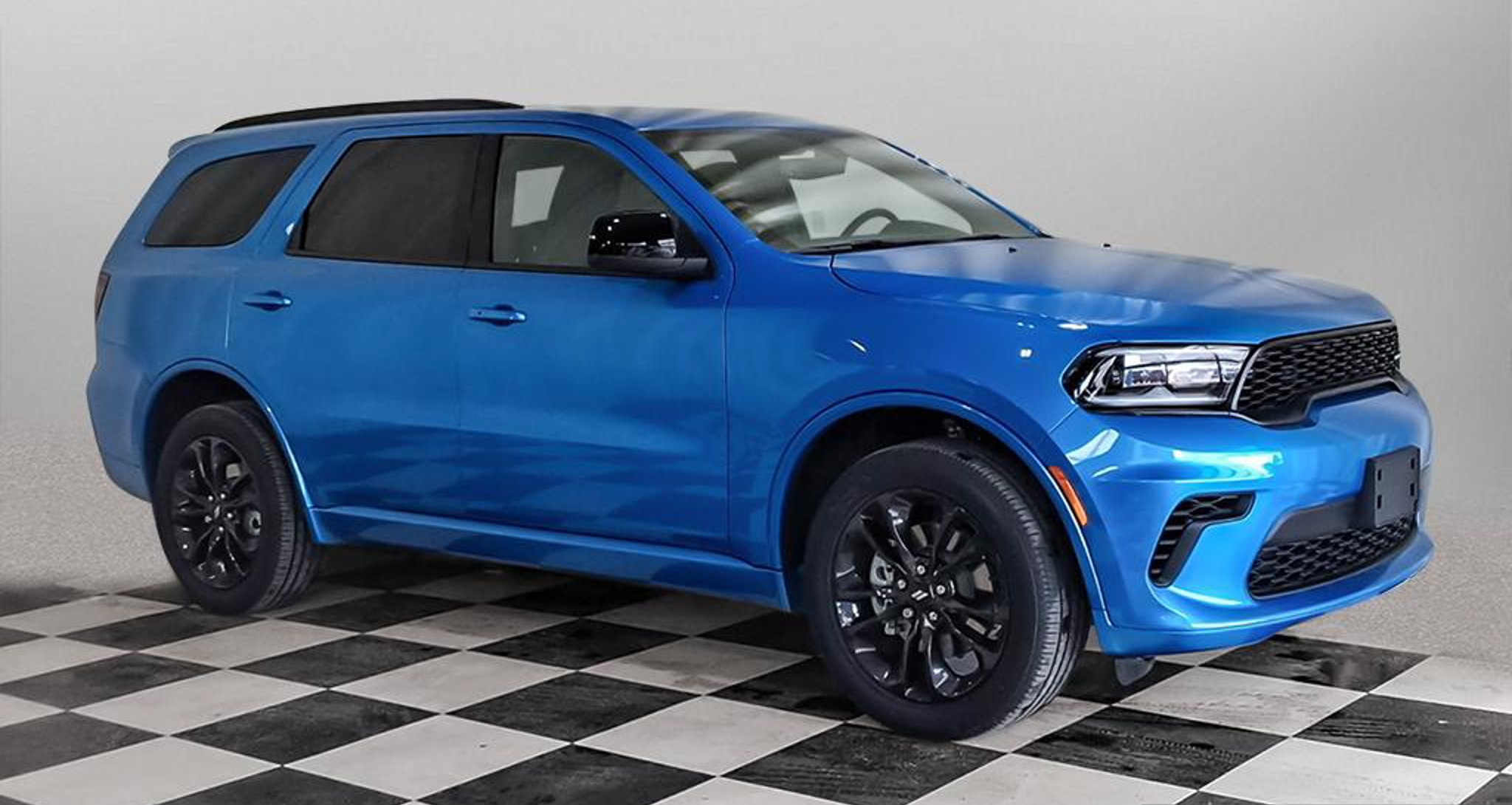
The family of five with a camper. Durango. The V6 or the HEMI tows it, all wheel drive is standard, and the vehicle is easier to live with the other 340 days of the year.
Seven people, every day. Tahoe. Its third row and its cargo hold are the bigger ones, and no amount of Durango engine changes that.
The highway commuter who wants a V8. Durango. The HEMI is on the menu, and the Durango feels the smaller and sharper of the two on a long run.
The buyer watching the payment. Durango, usually, because of where it sits on price and because all wheel drive is not an option box. We will show you the real sticker.
If you are also weighing the Durango against its Jeep cousin, our post on the Durango vs Grand Cherokee L covers that one.
FAQs
Is the Dodge Durango bigger than the Chevrolet Tahoe?
No. The Tahoe is the larger vehicle, at 211.3 inches long on a 120.9 inch wheelbase per Kelley Blue Book, with a bigger third row and more cargo room behind it. The Durango seats seven and is the easier of the two to park and drive daily.
Which tows more, the Durango or the Tahoe?
Dodge Canada lists the Durango HEMI at up to 3,946 kg (8,700 lb) with the Tow N Go package. Kelley Blue Book lists the Tahoe at up to 8,000 lb on most trims, with a higher ceiling advertised on one specific rear drive build. Most families tow well under either.
Does the Durango come with all wheel drive?
Yes. Dodge Canada lists all wheel drive as standard across the Canadian Durango lineup.
Can I still get a V8 Durango?
Yes. Dodge Canada lists the 5.7 litre HEMI V8 at 360 horsepower and 390 lb ft on the GT HEMI V8 Plus and GT HEMI V8 Premium.
Is the Durango cheaper than the Tahoe?
Generally it sits at a lower price position for comparable equipment, and it includes all wheel drive. Incentives change monthly on both, so check our current pricing rather than relying on a number from a blog.
The Bottom Line
The Tahoe is the bigger box, and if you need the bigger box, buy the bigger box. The Durango is the three row that tows what most families actually tow, comes with all wheel drive as standard in Canada, still offers a HEMI V8, and feels a size smaller from behind the wheel. For the towing family that is not filling seven seats every day, that is usually the better vehicle to own.
Come drive one. Browse our new Dodge Durango inventory, tell us what you tow, and we will match the engine and package to the trailer.
Tyler Dunn, Dunn Ram Trucks, Portage la Prairie